For Memphis, Call 901-428-5596

Knoxville – 423-270-6929

Nashville – 615-530-1130

Nationwide – 800-224-5546

Slip and Fall Injury Accident Attorneys Memphis

Pay Nothing Unless YOU Win

Schedule A Free Consultation

Memphis Slip and Fall: Comprehensive Legal Guide for Victims

Slip and fall accidents, often dismissed as minor incidents, can lead to devastating injuries and significant financial burdens. In Memphis, Tennessee, these incidents occur with alarming frequency [2]. While seemingly innocuous, a sudden fall can result in severe physical harm, including fractures, head trauma, and debilitating soft tissue injuries, fundamentally altering a victim’s life. Beyond the immediate physical pain, victims often face mounting medical bills, lost wages due to an inability to work, and profound emotional distress. This comprehensive guide aims to empower individuals in Memphis who have suffered a slip and fall accident by providing an in-depth understanding of their legal rights, the intricacies of premises liability law in Tennessee, and the crucial steps necessary to pursue a successful claim for compensation. Southern Injury Attorneys is dedicated to advocating for victims, ensuring that negligent property owners are held accountable and that justice is served.

Table of Contents

Understanding Slip and Fall Accidents in Memphis

Slip and Fall AccidentsAttorneys Memphis A slip and fall accident is a specific type of personal injury claim that falls under the broader legal umbrella of premises liability. In essence, it occurs when an individual suffers an injury on someone else’s property due to a hazardous condition that the property owner either knew about or reasonably should have known about, and failed to address. The legal framework in Memphis, and indeed throughout Tennessee, places a significant responsibility on property owners to maintain their premises in a reasonably safe condition for visitors. This duty of care is not absolute, but it requires proactive measures to prevent foreseeable harm.

Definition and Scope of Premises Liability

Premises liability law dictates that property owners, whether individuals, businesses, or governmental entities, have a legal obligation to ensure the safety of their property for those who enter it. This obligation extends to identifying and rectifying dangerous conditions, or, at a minimum, providing adequate warnings about such hazards. The scope of premises liability in Memphis is extensive, encompassing a wide array of locations, including:

  • Commercial Establishments: Grocery stores, retail shops, restaurants, malls, hotels, and entertainment venues.
  • Residential Properties: Apartment complexes, private homes (for invited guests), and rental properties.
  • Public Spaces: Sidewalks, parks, government buildings, and public transportation areas.
  • Workplaces: Industrial sites, offices, and construction zones, though these may also involve workers’ compensation claims.

The Duty of Care: A Critical Legal Concept

The concept of duty of care is central to any slip and fall claim in Tennessee. It refers to the legal obligation that property owners have to protect individuals from unreasonable risks of harm on their property. The extent of this duty varies depending on the legal status of the visitor at the time of the accident. Tennessee law generally categorizes visitors into three main types:

  • Invitees: These are individuals who enter a property for the mutual benefit of themselves and the property owner, such as customers in a store or clients in an office. Property owners owe the highest duty of care to invitees. This includes a responsibility to regularly inspect the premises for hazards, promptly repair any dangerous conditions found, and provide clear warnings about any unavoidable dangers. For example, a grocery store owner has a duty to routinely check aisles for spills and clean them up immediately, or place

warning signs if a spill cannot be immediately cleaned. Failure to do so can lead to liability if an invitee is injured.

  • Licensees: These are individuals who enter a property with the owner’s permission but for their own purposes, such as social guests visiting a friend’s home. For licensees, property owners have a duty to warn them of known dangers that are not obvious. However, unlike invitees, property owners are generally not required to actively inspect their premises for unknown hazards for the benefit of licensees.
  • Trespassers: These are individuals who enter a property without permission. Property owners generally owe the lowest duty of care to trespassers. While they cannot intentionally or willfully cause harm to trespassers, they are typically not liable for injuries sustained by trespassers due to unsafe conditions on the property. There are exceptions, such as the attractive nuisance doctrine, which applies to children who may be lured onto a property by an appealing but dangerous condition.

Common Causes of Slip and Fall Accidents in Memphis

Slip and fall accidents are rarely truly accidental; they are almost always the result of a preventable hazard that a property owner failed to address. In Memphis, certain conditions are particularly prevalent in causing these incidents. Understanding these common causes is crucial for victims seeking to establish negligence and build a strong case.

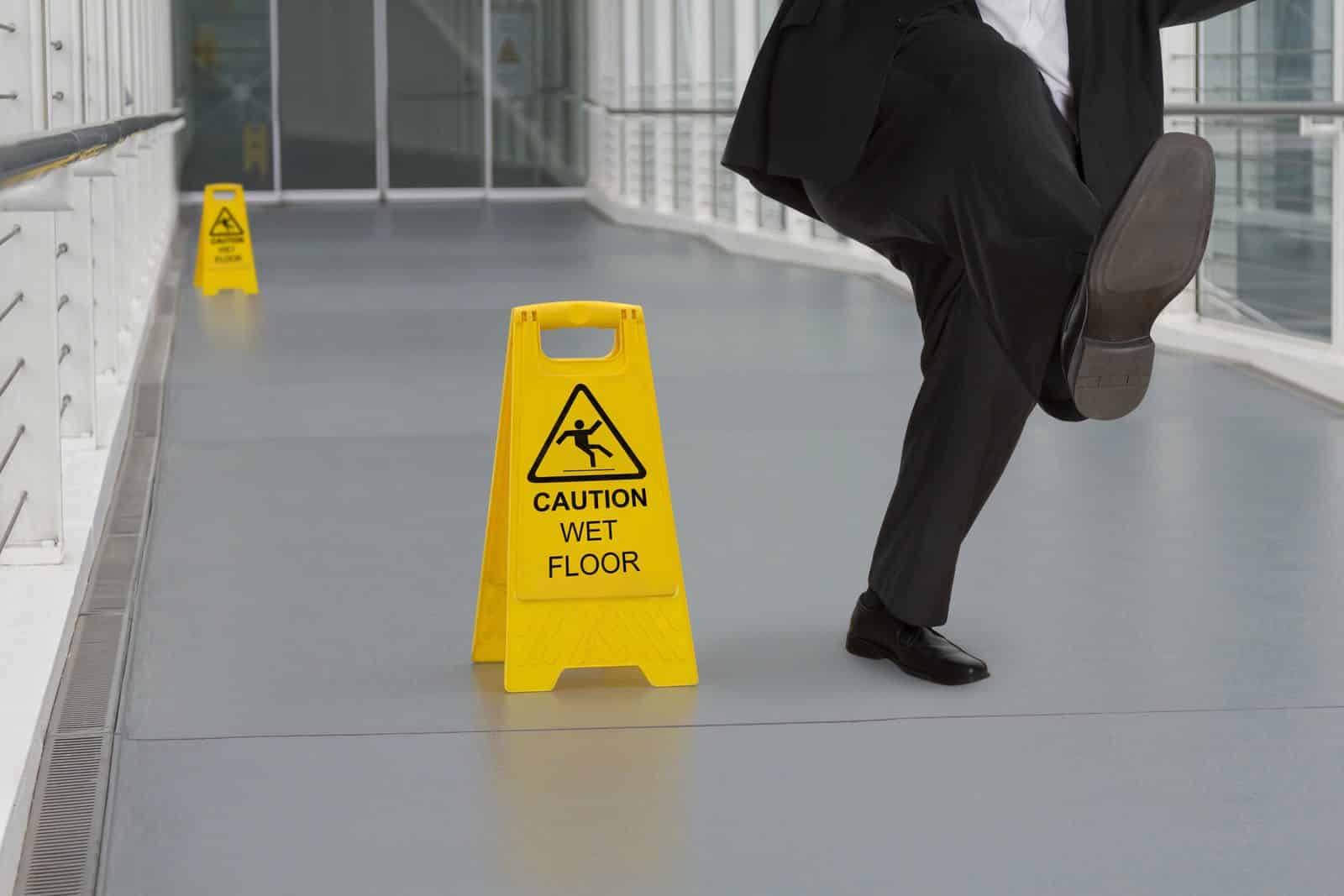
  1. Wet or Slippery Surfaces: This is perhaps the most common culprit. Spills in grocery store aisles, recently mopped floors without warning signs, tracked-in rain or snow at building entrances, and leaky refrigeration units can all create dangerously slick surfaces. Property owners have a clear responsibility to promptly clean up spills and to place highly visible warning signs when floors are wet.
  2. Uneven or Damaged Walking Surfaces: From cracked sidewalks and broken pavement in parking lots to loose floorboards, torn carpeting, and potholes, uneven surfaces pose a significant tripping hazard. These conditions are especially dangerous in areas with high foot traffic or poor lighting, where individuals may not notice the hazard until it’s too late. Regular inspections and timely repairs are essential to prevent such accidents.
  3. Poor Lighting: Inadequate illumination can obscure hazards, making it difficult for individuals to see changes in elevation, obstacles, or slippery spots. Dimly lit stairwells, dark parking lots, and poorly lit hallways are common locations where poor lighting contributes to falls. Property owners must ensure sufficient lighting in all areas accessible to the public.
  4. Clutter and Obstructions: Objects left in walkways, such as boxes, merchandise, debris, or electrical cords, create tripping hazards. These obstructions are particularly problematic in retail environments, warehouses, and construction sites, but can also occur in residential settings. Maintaining clear and unobstructed pathways is a fundamental aspect of premises safety.
  5. Defective Staircases and Handrails: Stairs that are uneven, broken, or lack proper handrails are inherently dangerous. Loose or missing handrails, inadequate tread depth, and poor maintenance of staircases can all lead to severe falls. Property owners must ensure that all stairways are up to code and regularly inspected for safety.
  6. Ice and Snow Accumulation: During winter months, ice and snow can create extremely hazardous conditions on sidewalks, parking lots, and building entrances. Property owners in Memphis have a duty to take reasonable steps to remove snow and ice or to treat surfaces to prevent slips and falls. Failure to do so can result in liability.
  7. Negligent Maintenance: This overarching category encompasses a variety of failures, including failure to inspect, failure to repair, and failure to warn. It can involve anything from a leaky roof causing puddles to a loose rug that is not properly secured. The key is whether the property owner acted reasonably in maintaining their premises.

Typical Injuries Sustained in Slip and Fall Accidents

The consequences of a slip and fall can range from minor bruises to life-altering injuries. The severity often depends on factors such as the height of the fall, the surface landed on, and the age and physical condition of the victim. Common injuries include:

  • Fractures and Broken Bones: These are among the most frequent injuries, particularly in the hips, wrists, ankles, and arms. Hip fractures are especially common and dangerous for older adults, often requiring extensive surgery and rehabilitation. Wrist and arm fractures frequently occur as individuals attempt to break their fall.
  • Head Injuries and Concussions: Striking one’s head during a fall can lead to concussions (concussion), traumatic brain injuries (TBIs), and other severe neurological damage. Symptoms can include dizziness, headaches, memory loss, confusion, and even long-term cognitive impairments. Immediate medical attention is crucial for any head injury.
  • Soft Tissue Injuries: Sprains, strains, and torn ligaments or tendons are common, affecting knees, ankles, shoulders, and the back. While not always immediately apparent, these injuries can cause chronic pain, limited mobility, and may require physical therapy or even surgery.
  • Spinal Cord Injuries: In severe cases, a fall can result in damage to the spinal cord, leading to partial or complete paralysis, chronic pain, and significant long-term disability.
  • Back and Neck Injuries: Falls can cause herniated discs, pinched nerves, and other injuries to the spine, resulting in persistent pain, numbness, and weakness.
  • Internal Injuries: Less common but potentially life-threatening, internal bleeding or organ damage can occur from the impact of a fall.

These injuries often necessitate extensive medical treatment, including emergency care, surgeries, medications, physical therapy, and ongoing rehabilitation. The financial burden associated with these medical costs, coupled with lost income from being unable to work, can be overwhelming for victims and their families. This underscores the importance of seeking legal counsel to pursue fair compensation.

Establishing Negligence: The Cornerstone of a Slip and Fall Claim

Slip and Fall Accidents Law Firm Memphis To succeed in a slip and fall claim in Memphis, an injured party must prove that the property owner was negligent. Negligence is a legal concept that refers to a failure to exercise the care that a reasonably prudent person would exercise in similar circumstances. In the context of premises liability, proving negligence involves demonstrating four key elements:

1. Duty of Care

As discussed earlier, the property owner must have owed a legal duty of care to the injured person. This duty varies based on the visitor’s status (invitee, licensee, or trespasser). For most slip and fall cases involving customers or guests, a significant duty of care exists.

2. Breach of Duty

The injured party must demonstrate that the property owner breached their duty of care. This means the owner failed to act as a reasonably prudent property owner would have under the circumstances. Examples of a breach include:

  • Failing to inspect the property regularly for hazards.
  • Failing to repair a known dangerous condition within a reasonable time.
  • Failing to warn visitors about a dangerous condition that was not obvious.
  • Creating a dangerous condition through their own actions or inaction.

Crucially, it must be shown that the property owner either had actual knowledge of the dangerous condition (they knew about it) or constructive knowledge (they should have known about it because a reasonable property owner would have discovered it through regular inspections). For instance, a spill that has been on the floor for several hours would likely constitute constructive knowledge, whereas a spill that occurred moments before the fall might not.

3. Causation

This element requires a direct link between the property owner’s breach of duty and the injury sustained by the victim. The hazardous condition must have been the direct cause of the fall and the resulting injuries. If the fall occurred for another reason (e.g., the victim tripped over their own feet), then causation cannot be established. Proving causation often involves gathering evidence such as:

  • Photographs or videos of the hazardous condition.
  • Eyewitness statements.
  • Surveillance footage.
  • Incident reports.
  • Medical records linking the injuries to the fall.

4. Damages

Finally, the injured party must have suffered actual damages as a result of the fall. Damages can include a wide range of losses, both economic and non-economic, such as:

  • Medical Expenses: Past and future medical bills, including emergency care, hospital stays, surgeries, medications, physical therapy, and rehabilitation.
  • Lost Wages: If your injuries prevent you from working, you can claim compensation for:
  • Pain and Suffering: Compensation for the physical pain and discomfort you endure as a result of your injuries, both immediately after the accident and on an ongoing basis. It also includes the emotional distress, anxiety, depression, and psychological trauma that often accompany serious injuries.
  • Loss of Consortium: Damages for the negative impact of the injury on marital or family relationships.
  • Other Out-of-Pocket Expenses: Costs for assistive devices, home modifications, and transportation to medical appointments.

Comparative Negligence in Tennessee

Tennessee operates under a modified comparative negligence rule, which is critical for slip and fall cases. This rule dictates that an injured party can only recover damages if they are found to be less than 50% at fault for the accident. If the injured person is found to be 50% or more responsible for their own fall, they are barred from recovering any compensation. If they are found to be less than 50% at fault, their recoverable damages will be reduced proportionally to their percentage of fault.

For example, if a jury determines that a victim suffered $100,000 in damages but was 20% at fault for the fall (perhaps by not paying sufficient attention), the victim would only be able to recover $80,000 ($100,000 – 20%). This rule makes it imperative for victims to demonstrate that the property owner’s negligence was the primary cause of the accident and to be prepared to counter any claims that they were partially responsible.

The Legal Process: Navigating a Slip and Fall Claim in Memphis

Slip and Fall Accidents Injury Lawyers Memphis

Initiating a slip and fall claim in Memphis involves several critical steps, from the immediate aftermath of the accident to potential litigation. Understanding this legal process is essential for victims to protect their rights and maximize their chances of a successful outcome.

What to Do Immediately After a Slip and Fall Accident

The actions taken in the moments and days following a slip and fall can significantly impact the strength of a future legal claim. It is crucial to:

  1. Seek Medical Attention: Your health is paramount. Even if injuries don’t seem severe initially, some can manifest hours or days later. A medical evaluation provides crucial documentation of your injuries and their connection to the fall. Follow all medical advice and attend all appointments.
  2. Report the Incident: Inform the property owner, manager, or landlord about the fall as soon as possible. Request that an incident report be created and ask for a copy. Be factual and avoid admitting fault or speculating about the cause.
  3. Document the Scene: If possible and safe to do so, take photographs or videos of the exact location where the fall occurred. Capture the hazardous condition (e.g., spill, broken pavement, poor lighting) from multiple angles. Also, photograph any warning signs (or lack thereof) and the surrounding area. Note the date, time, and weather conditions.
  4. Gather Witness Information: If anyone witnessed your fall, obtain their names, contact information, and a brief account of what they saw. Witness testimony can be invaluable.
  5. Preserve Evidence: Keep the shoes and clothing you were wearing at the time of the fall, as they may contain evidence. Do not discard or clean them.
  6. Limit Communication: Avoid discussing the accident with anyone other than your medical providers and your attorney. Do not post about the incident on social media. Insurance adjusters may try to contact you; politely decline to provide a statement until you have consulted with an attorney.

The Role of a Memphis Slip and Fall Attorney

Navigating the complexities of premises liability law and dealing with insurance companies can be overwhelming, especially while recovering from injuries. A skilled Memphis slip and fall attorney plays a vital role in protecting your rights and guiding you through the legal process. Their responsibilities include:

  • Investigation: Conducting a thorough investigation into the accident, gathering evidence, interviewing witnesses, and potentially hiring experts (e.g., accident reconstructionists, safety engineers).
  • Legal Analysis: Evaluating the strength of your case, determining liability, and identifying all potential sources of compensation.
  • Evidence Collection: Obtaining medical records, incident reports, surveillance footage, and other crucial documents.
  • Negotiation with Insurance Companies: Handling all communications and negotiations with the property owner’s insurance company, ensuring that your rights are protected and that you do not inadvertently jeopardize your claim.
  • Valuation of Damages: Accurately calculating the full extent of your damages, including current and future medical expenses, lost wages, pain and suffering, and other losses.
  • Litigation: If a fair settlement cannot be reached through negotiation, preparing and filing a lawsuit, representing you in court, and advocating fiercely on your behalf.

Statute of Limitations in Tennessee

It is imperative to be aware of the statute of limitations for slip and fall claims in Tennessee. For most personal injury cases, including slip and falls, the statute of limitations is one (1) year from the date of the injury [1]. This means that a lawsuit must be filed in civil court within one year of the accident date. If a lawsuit is not filed within this timeframe, you will likely lose your right to pursue compensation, regardless of the merits of your case. There are very limited exceptions to this rule, making prompt legal action essential. For wrongful death claims resulting from a slip and fall, the statute of limitations is also generally one year from the date of death.

Maximizing Your Compensation: What Your Claim Can Cover

Slip and Fall Injury Attorneys Memphis When you pursue a slip and fall claim, the goal is to recover comprehensive compensation for all losses you have incurred as a result of the property owner’s negligence. This compensation, often referred to as damages, is designed to make you whole again, as much as possible, after the accident. Damages are typically categorized into economic and non-economic losses.

Economic Damages

Economic damages are quantifiable financial losses that can be objectively calculated and proven with documentation. These include:

  • Medical Expenses: This is often the largest component of economic damages. It covers all past and future costs associated with your medical care, including:
  • Emergency room visits and ambulance fees.
  • Hospital stays and surgeries.
  • Doctor visits and specialist consultations.
  • Prescription medications.
  • Physical therapy, occupational therapy, and rehabilitation.
  • Diagnostic tests (X-rays, MRIs, CT scans).
  • Assistive devices (crutches, wheelchairs, braces).
  • In-home care or nursing services.


  • Lost Wages and Earning Capacity: If your injuries prevent you from working, you can claim compensation for:
  • Past Lost Wages: Income you have already lost from the date of the accident until the present.
  • Future Lost Wages/Earning Capacity: If your injuries result in long-term disability or prevent you from returning to your previous job, you can seek compensation for the income you would have earned in the future. This often requires expert testimony from vocational and economic specialists.
  • Property Damage: If any personal property was damaged during the fall (e.g., eyeglasses, cell phone, clothing), the cost of repair or replacement can be included.
  • Out-of-Pocket Expenses: Any other direct costs incurred due to the accident, such as transportation to medical appointments, childcare costs while you are receiving treatment, or modifications to your home or vehicle to accommodate your injuries.

Non-Economic Damages

Non-economic damages are more subjective and are intended to compensate for intangible losses that do not have a direct financial cost. These include:

  • Pain and Suffering: This is compensation for the physical pain and discomfort you endure as a result of your injuries, both immediately after the accident and on an ongoing basis. It also includes the emotional distress, anxiety, depression, and psychological trauma that often accompany serious injuries.
  • Loss of Enjoyment of Life: If your injuries prevent you from participating in activities you once enjoyed (hobbies, sports, social events), you can seek compensation for this diminished quality of life.
  • Disfigurement and Scarring: If the injuries result in permanent scarring or disfigurement, compensation can be sought for the physical and emotional impact of these changes.
  • Loss of Consortium: In cases where the injury significantly impacts a marital relationship, the uninjured spouse may be able to claim damages for the loss of companionship, affection, and support.

Punitive Damages

In rare cases, if the property owner’s conduct was particularly egregious, reckless, or malicious, punitive damages may be awarded. Punitive damages are not intended to compensate the victim but rather to punish the wrongdoer and deter similar conduct in the future. In Tennessee, punitive damages are typically capped and require a higher standard of proof.

Specific Considerations for Memphis Slip and Fall Cases

Slip and Fall Injury Claim Memphis While the general principles of premises liability apply statewide, Memphis, as a major metropolitan area, presents unique aspects in slip and fall cases. The diverse range of properties, from historic buildings to modern commercial centers, and the specific legal interpretations within the Shelby County court system, can influence the trajectory of a claim.

Common Locations and Unique Hazards in Memphis

Memphis is home to numerous locations where slip and fall accidents frequently occur:

  • Beale Street and Downtown Areas: High foot traffic, older infrastructure, and entertainment venues can lead to hazards like uneven sidewalks, spills in bars/restaurants, and poorly maintained public spaces.
  • Shopping Malls and Retail Centers: Large retail complexes like Wolfchase Galleria or Oak Court Mall are common sites for spills, merchandise obstructions, and inadequate maintenance in common areas.
  • Grocery Stores: Chains like Kroger, Walmart, and local markets frequently see incidents related to spills, fallen produce, and wet floors from refrigeration units.
  • Parking Lots and Garages: Potholes, poor lighting, debris, and inadequate maintenance in large parking facilities are common causes of falls.
  • Residential Properties: Apartment complexes and rental homes can have issues with broken stairs, loose railings, and neglected common areas.
  • Public Parks and Recreational Areas: Uneven terrain, poorly maintained pathways, and hidden obstacles can lead to falls in places like Shelby Farms Park or Overton Park.

Understanding the specific types of hazards prevalent in these Memphis locations can help in identifying negligence and building a stronger case. For instance, a property owner of a historic building might have different maintenance challenges than a modern retail store, but the duty to maintain safety remains.

Local Ordinances and Building Codes

In addition to state laws, Memphis and Shelby County may have specific building codes and ordinances that dictate safety standards for properties. A violation of these local codes can serve as strong evidence of negligence in a slip and fall case. For example, if a staircase does not meet the required railing height or tread depth as per Memphis building codes, and this deficiency contributes to a fall, it can significantly bolster the victim’s claim.

Importance of Local Legal Counsel

While Tennessee law governs slip and fall cases, having a Memphis-based attorney provides distinct advantages. Local attorneys are familiar with:

  • Local Court Procedures: They understand the specific rules and practices of the Shelby County court system.
  • Local Judges and Juries: They have insights into how local judges typically rule on certain issues and how Memphis juries tend to perceive different types of evidence or arguments.
  • Local Experts: They have established networks with local medical professionals, accident reconstructionists, and other experts who can provide crucial testimony.
  • Local Property Owners and Businesses: They may have prior experience dealing with specific businesses or property management companies in the area, understanding their typical defense strategies.

This local knowledge can be invaluable in navigating the legal landscape and achieving a favorable outcome for clients.

The Nuances of Duty of Care in Different Settings

The application of the duty of care can be highly nuanced and depends heavily on the specific context of the property and the nature of the hazard. For instance, a property owner is generally not expected to guarantee the absolute safety of their premises, but rather to exercise reasonable care. What constitutes ‘reasonable care’ can vary. In a retail store, reasonable care might involve daily inspections of aisles, immediate cleanup of spills, and proper training of staff to identify and address hazards. In a private residence, reasonable care might involve ensuring that known dangers are communicated to guests. The law does not require property owners to anticipate every conceivable hazard, but it does require them to take reasonable steps to prevent foreseeable accidents.

Furthermore, the duty of care can be influenced by the type of property. Commercial properties, which invite the public onto their premises for business purposes, typically have a higher duty of care than private residential properties. This is because commercial establishments derive a direct financial benefit from the presence of visitors and are expected to have more resources and systems in place for property maintenance and safety. Public entities, such as municipalities, also have a duty to maintain public spaces, but they may be protected by sovereign immunity, which can complicate claims against them. However, even with sovereign immunity, if a municipality creates a dangerous condition or fails to address a known hazard on public property, they can still be held liable.

The Role of Foreseeability in Establishing Negligence

Central to proving a breach of duty is the concept of foreseeability. For a property owner to be held liable, the dangerous condition that caused the slip and fall must have been foreseeable. This means that a reasonable person in the property owner’s position would have anticipated that the condition posed a risk of injury. For example, if a grocery store has a history of spills in a particular aisle due to a leaky refrigerator, and they fail to address the leak or consistently clean up the spills, then future accidents caused by those spills would be considered foreseeable. Conversely, if a hazard arises suddenly and unexpectedly, and the property owner has no reasonable opportunity to discover and remedy it, then it may be difficult to prove foreseeability and thus, negligence.

Foreseeability is often established through evidence of prior incidents, complaints about the hazard, or the length of time the hazard existed. If a hazard has been present for an extended period, it strengthens the argument that the property owner should have known about it. This is where diligent investigation and evidence collection become paramount. An experienced Memphis slip and fall attorney will work to uncover evidence that demonstrates the property owner’s actual or constructive knowledge of the dangerous condition and the foreseeability of the resulting injury.

Detailed Look at Common Causes and Their Legal Implications

Let’s delve deeper into some of the common causes of slip and fall accidents in Memphis and their specific legal implications:

  1. Wet or Slippery Surfaces: Beyond simple spills, this category includes highly polished floors that become slippery when wet, inadequate drainage causing water accumulation, and even certain types of flooring materials that are inherently slippery when damp. In commercial settings, the use of appropriate non-slip mats at entrances, regular cleaning schedules, and prominent warning signs are critical. Failure to implement these measures can be a clear indication of negligence. For instance, a restaurant that mops its dining area during business hours without cordoning off the wet area or placing ‘wet floor’ signs is likely breaching its duty of care.
  2. Uneven or Damaged Walking Surfaces: This extends to poorly constructed ramps, stairs with inconsistent riser heights, loose handrails, and deteriorated sidewalks. In Memphis, with its mix of old and new infrastructure, uneven sidewalks are a common issue. Property owners, including the city for public sidewalks, have a responsibility to maintain these surfaces. If a sidewalk crack or pothole has existed for a significant period and caused a fall, the argument for constructive knowledge on the part of the responsible entity becomes stronger. Building codes and safety standards often dictate specific requirements for flooring, stairs, and ramps; violations of these codes can serve as powerful evidence of negligence.
  3. Poor Lighting and Obstructed Walkways: These hazards are particularly insidious because they prevent individuals from seeing and avoiding dangers. Inadequate lighting in parking garages, stairwells, or even retail aisles can obscure spills, uneven steps, or misplaced objects. Obstructed walkways, such as those blocked by merchandise, equipment, or debris, force pedestrians to navigate around obstacles, increasing the risk of tripping. Property owners must ensure that all areas accessible to the public are adequately lit and kept free of obstructions. This includes regular checks of light fixtures and proactive management of inventory and equipment to prevent blockages.
  4. Ice and Snow Accumulation: While Memphis does not experience prolonged winters, ice and snow events can create extremely dangerous conditions. Property owners have a duty to take reasonable steps to remove snow and ice from their premises within a reasonable time after a storm. This includes shoveling sidewalks, salting/sanding icy patches, and clearing parking lots. What constitutes ‘reasonable time’ can vary depending on the severity of the storm and the resources available to the property owner. However, neglecting to address ice and snow for an extended period after a storm, especially in high-traffic areas, can lead to clear liability.

The Importance of Documentation and Evidence Collection

In any slip and fall case, the strength of your claim hinges on the quality and quantity of evidence you can provide. Without proper documentation, even a legitimate injury can be difficult to prove. Therefore, the steps taken immediately after the accident are crucial. Beyond photographs and witness information, consider:

  • Incident Reports: Always insist on an official incident report from the property owner or manager. Review it carefully for accuracy and request a copy. If they refuse to create one, document that refusal.
  • Medical Records: These are paramount. They establish the nature and extent of your injuries, the medical treatment received, and the causal link between the fall and your injuries. Be thorough in describing how the accident occurred to your medical providers.
  • Surveillance Footage: Many commercial establishments have security cameras. Requesting surveillance footage promptly is vital, as it may be deleted or overwritten after a short period. An attorney can help secure this evidence through legal channels.
  • Maintenance Records: These records can show whether the property owner had a history of maintenance issues, when the last inspection occurred, and whether any repairs were made to the area where the fall happened. This can help establish constructive knowledge.
  • Weather Reports: If weather conditions (like rain, ice, or snow) contributed to the fall, official weather reports can corroborate your account.
  • Expert Testimony: In complex cases, experts such as accident reconstructionists, safety engineers, or medical professionals may be needed to provide testimony on the cause of the fall, the extent of injuries, or the standard of care.

Every piece of evidence contributes to building a comprehensive picture of what happened and who was at fault. The more detailed and compelling your evidence, the stronger your position in negotiations or in court.


The Litigation Process: From Claim to Resolution

Slip and Fall Litigation Process Memphis

While many slip and fall cases are resolved through negotiation and settlement, some may proceed to litigation. Understanding the stages of a lawsuit can help victims prepare for the journey ahead.

Pre-Litigation Phase

This phase begins immediately after the accident and continues until a lawsuit is formally filed. It primarily involves:

  • Investigation and Evidence Gathering: As detailed above, this is a critical period for collecting all relevant information.
  • Medical Treatment and Recovery: Focusing on your health and following medical advice is essential, both for your well-being and for documenting the full extent of your injuries.
  • Demand Letter: Once your medical treatment is complete or your condition has stabilized, your attorney will typically send a demand letter to the at-fault party’s insurance company. This letter outlines the facts of the accident, the extent of your injuries and damages, and a demand for compensation.
  • Negotiation: The insurance company will review the demand and may make a counter-offer. This often leads to a period of negotiation, where your attorney will advocate for a fair settlement. If a satisfactory settlement cannot be reached, the case may proceed to litigation.

Litigation Phase

If negotiations fail, your attorney will file a personal injury lawsuit in the appropriate Tennessee civil court. The litigation phase typically involves:

  • Filing the Complaint: This is the formal document that initiates the lawsuit, outlining your claims against the defendant (the property owner).
  • Discovery: This is a crucial phase where both sides exchange information and evidence. It can involve:
    • Interrogatories: Written questions that each party must answer under oath.
    • Requests for Production of Documents: Demands for relevant documents, such as maintenance records, incident reports, and surveillance footage.
    • Depositions: Out-of-court sworn testimony taken from parties and witnesses. This is an opportunity to gather information and assess the credibility of witnesses.
    • Requests for Admission: Requests for the other party to admit or deny certain facts.
  • Motions: Throughout the discovery process, either party may file motions with the court to resolve disputes, compel discovery, or dismiss certain claims.
  • Mediation/Arbitration: Many courts require or encourage alternative dispute resolution methods like mediation (where a neutral third party helps facilitate a settlement) or arbitration (where a neutral third party hears evidence and makes a binding or non-binding decision).
  • Trial: If the case does not settle, it will proceed to trial. This involves jury selection, opening statements, presentation of evidence (witness testimony, documents, expert testimony), closing arguments, jury deliberation, and finally, a verdict. If the jury finds in your favor, they will award damages.
  • Appeal: Either party may appeal the verdict if they believe there were legal errors during the trial.

The litigation process can be lengthy and complex, often taking months or even years to resolve. This is why having a dedicated and experienced legal team like Southern Injury Attorneys is essential to navigate each stage effectively and protect your interests.

The Role of Expert Witnesses in Complex Cases

In many slip and fall cases, particularly those involving severe injuries or complex liability issues, expert witnesses play a critical role. These professionals can provide specialized knowledge and opinions that help the judge and jury understand technical aspects of the case. Examples of expert witnesses include:

  • Medical Experts: Doctors, surgeons, physical therapists, and other medical professionals can testify about the nature and extent of your injuries, the necessary medical treatment, your prognosis, and the causal link between the fall and your medical condition. They can also provide opinions on future medical costs.
  • Vocational Experts: If your injuries impact your ability to work, a vocational expert can assess your lost earning capacity, considering your education, work history, and the limitations imposed by your injuries.
  • Economic Experts: Economists can calculate the financial impact of your injuries, including lost wages, future lost earning capacity, and the present value of future medical expenses.
  • Accident Reconstructionists: These experts can analyze the scene of the accident, the mechanics of the fall, and the contributing factors to determine how the accident occurred and whether the property owner’s negligence played a role.
  • Safety Engineers/Premises Safety Experts: These professionals can testify about applicable building codes, industry safety standards, and whether the property owner met their duty of care in maintaining a safe environment. They can identify specific hazards and explain how they could have been prevented.

Expert testimony can significantly strengthen your case by providing credible, objective analysis and helping to clarify complex issues for the jury. Your attorney will determine which experts are necessary for your specific case.

Conclusion: Your Path to Justice with Southern Injury Attorneys

Slip and fall accidents can have profound and lasting impacts on victims and their families. The physical pain, emotional distress, and financial strain can be overwhelming. However, you do not have to face these challenges alone. In Memphis, Tennessee, the legal system provides a pathway for victims to seek justice and obtain compensation from negligent property owners.

Southern Injury Attorneys is committed to providing compassionate, aggressive, and effective legal representation to slip and fall victims throughout Memphis and the surrounding areas. Our experienced team understands the nuances of Tennessee premises liability law and is dedicated to meticulously investigating your case, gathering compelling evidence, and fighting tirelessly on your behalf. We work on a contingency fee basis, meaning you pay no attorney fees unless we win your case.

If you or a loved one has suffered an injury in a slip and fall accident due to someone else’s negligence, do not delay. Protect your rights and ensure you receive the full compensation you deserve. Contact Southern Injury Attorneys today for a free, no-obligation consultation. Let us put our expertise to work for you, guiding you through every step of the legal process and advocating for your future.

References

[1] Nolo. Tennessee Slip and Fall Laws and the Statute of Limitations. Available at: https://www.nolo.com/legal-encyclopedia/tennessee-slip-and-fall-laws.html

[2] National Safety Council. Slips, Trips and Falls. Available at: https://www.nsc.org/workplace/safety-topics/slips-trips-and-falls/slips-trips-and-falls-home
[3] Cornell Law School, Legal Information Institute. Duty of Care. Available at: https://www.law.cornell.edu/wex/duty_of_care
[4] Mahaney & Pappas, LLP.
An Overview of Costs & Expenses in a Personal Injury Case. Available at: https://www.mahaneypappaslaw.com/blog/an-overview-of-costs-expenses-in-a-personal-injury-case.cfm
[5] U.S. News & World Report.
Recovering Lost Wages for a Personal Injury Claim. Available at: https://law.usnews.com/law-firms/advice/articles/recovering-lost-wages-for-a-personal-injury-claim
[6] Ben Crump Law.
What Type of Damages Are Awarded for Pain and Suffering?. Available at: https://bencrump.com/faqs/what-type-of-damages-are-awarded-for-pain-and-suffering/

[7] Cleveland Clinic. Soft Tissue Injury: What It Is, Types, Causes & Treatment. Available at: https://my.clevelandclinic.org/health/diseases/soft-tissue-injury
[8] Mayo Clinic. Concussion – Symptoms and causes. Available at: https://www.mayoclinic.org/diseases-conditions/concussion/symptoms-causes/syc-20355594
[9] National Institute of Neurological Disorders and Stroke.
Traumatic Brain Injury (TBI). Available at: https://www.ninds.nih.gov/health-information/disorders/traumatic-brain-injury-tbi
[10] Cornell Law School, Legal Information Institute.
Actual Knowledge. Available at: https://www.law.cornell.edu/wex/actual_knowledge
[11] Cornell Law School, Legal Information Institute.
Constructive Knowledge. Available at: https://www.law.cornell.edu/wex/constructive_knowledge
[12] Cornell Law School, Legal Information Institute. Invitee. Available at: https://www.law.cornell.edu/wex/invitee
[13] Cornell Law School, Legal Information Institute.
Licensee. Available at: https://www.law.cornell.edu/wex/licensee
[14] Cornell Law School, Legal Information Institute.
Trespass. Available at: https://www.law.cornell.edu/wex/trespass

Frequently Asked Questions About Memphis Slip and Fall Claims

In Tennessee, the statute of limitations for most personal injury claims, including slip and falls, is one (1) year from the date of the accident. It is crucial to act quickly, as missing this deadline can result in losing your right to pursue compensation.

Tennessee follows a modified comparative negligence rule. You can still recover damages if you are found to be less than 50% at fault. However, your compensation will be reduced proportionally to your percentage of fault. If you are 50% or more at fault, you cannot recover any damages.

Key evidence includes photographs/videos of the hazard, incident reports, witness statements, medical records, and documentation of lost wages. The more evidence you have, the stronger your case will be.

It is generally advisable to avoid giving a recorded statement or discussing the details of your accident with the property owner’s insurance company until you have consulted with an attorney. Insurance adjusters are trained to minimize payouts, and anything you say could be used against you.

The value of a slip and fall case depends on numerous factors, including the severity of your injuries, the extent of your medical expenses, lost wages, pain and suffering, and the clarity of liability. An experienced attorney can provide a more accurate assessment after reviewing the specifics of your case.

Claims against governmental entities (like the City of Memphis or Shelby County) often have different rules and shorter notice periods. It is essential to contact an attorney immediately if your fall occurred on public property, as specific procedures must be followed.

Scroll to Top