

Reviewed by Larry “Jimmy” Peters, Attorney (TN BPR #37889) — licensed in TN, MS, AR, TX, KY & GA · Updated: July 2026
Memphis Delivery Vehicle Accident Lawyer
Quick Answer: Memphis is a national logistics hub, and crashes with delivery vehicles usually mean a business defendant — the driver’s employer or a “delivery service partner” company — and commercial insurance far larger than a personal auto policy. You generally have one year to file (Tenn. Code Ann. § 28-3-104). Cases are typically filed in the Shelby County Circuit Court or the U.S. District Court for the Western District of Tennessee. Free consultation: 901-300-5001.
Find A Lawyer
Table of Contents
Why Are Delivery Vehicle Accidents Rising in Memphis?
In the vibrant and ever-evolving landscape of Memphis, Tennessee, the rhythm of daily life is increasingly orchestrated by the swift and seamless flow of delivery services. From the convenience of e-commerce packages arriving at our doorsteps to the immediate gratification of food delivery and the efficiency of courier services, a vast and intricate network of delivery vehicles has become an indispensable part of our urban fabric. This burgeoning industry, while undeniably beneficial, has ushered in a significant and often overlooked consequence: a dramatic increase in the frequency and severity of delivery vehicle accidents across the city. The once-occasional sight of a delivery van is now a constant presence, contributing to heightened traffic density and introducing unique hazards to Memphis roads. Notably, between 2019 and 2020, Memphis experienced a shocking 59% increase in fatal crashes, rising from 144 to 229, a trend that underscores the escalating dangers on our local roadways.
These aren’t merely typical fender-benders; delivery vehicle accidents present a distinct set of challenges that set them apart from conventional car collisions. While recent data from the National Highway Traffic Safety Administration (NHTSA) showed an encouraging 8.3% decrease in fatalities from truck crashes nationwide from 2022 to 2023, the reality remains that the overall trend in recent years has been an increase in fatal crashes involving large trucks. This national trend provides crucial context for the local situation in Memphis, indicating a broader challenge in commercial vehicle safety. The inherent disparities in size and weight between commercial delivery vehicles and standard passenger cars, motorcycles, bicycles, or even pedestrians often lead to catastrophic outcomes. Furthermore, the operational pressures, tight deadlines, and complex corporate structures underpinning the delivery industry introduce layers of legal and financial intricacies that can be overwhelming for accident victims. Navigating the aftermath of such an incident demands more than a general understanding of personal injury law; it requires specialized expertise in commercial vehicle regulations, corporate liability, and the nuanced legal landscape of Tennessee.
For those in Memphis who have suffered injuries due to the negligence of a delivery driver or company, the path to justice can appear formidable. Dealing with aggressive corporate insurance adjusters, deciphering complex federal and state regulations, and identifying all potentially liable parties are tasks best handled by seasoned legal professionals. Southern Injury Attorneys stands as a steadfast advocate for accident victims in Memphis, offering unparalleled legal representation grounded in a deep understanding of both local and federal laws. Our dedicated team is committed to meticulously unraveling the complexities of your case, fighting tirelessly to hold all negligent parties accountable, and guiding you through every intricate step of the legal process to secure the maximum compensation you rightfully deserve. We believe that no victim should face the daunting challenge of recovery and legal recourse alone, and we are here to ensure your rights are protected and your voice is heard.
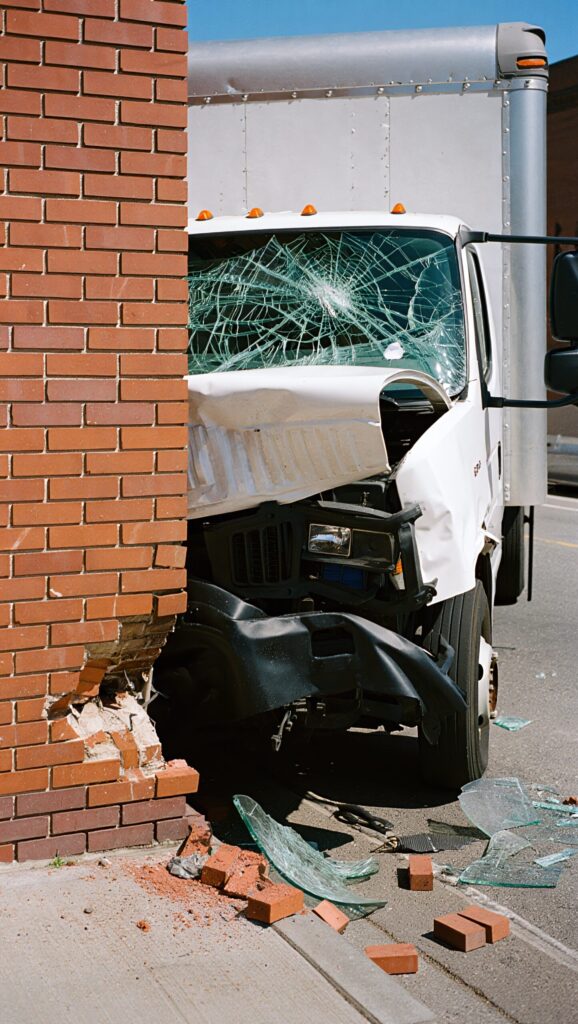
What Counts as a Delivery Vehicle in Memphis?

To fully grasp the scope and impact of delivery vehicle accidents in Memphis, it is essential to first define what constitutes a ‘delivery vehicle’ in today’s diverse transportation ecosystem and to understand the unique operational context within the city. The term ‘delivery vehicle’ has evolved significantly beyond the traditional image of a postal truck or a large semi-trailer. It now encompasses a broad spectrum of conveyances, each with its own set of risks and regulatory considerations.
A. What Constitutes a ‘Delivery Vehicle’?
The modern delivery fleet is incredibly varied, reflecting the diverse needs of commerce and consumer demand. This category includes:
- Commercial Vans & Trucks: These are the workhorses of package delivery, operated by major national and international carriers such as Amazon, FedEx, UPS, and DHL. These vehicles range from smaller cargo vans to larger box trucks. Beyond the giants, numerous local businesses—from florists and caterers to plumbers and electricians—utilize similar commercial vans and trucks for their daily operations, making deliveries of goods, equipment, and services. These vehicles are typically owned or leased by the company and operated by their employees, which can simplify liability determination in some cases.
- Food Delivery Vehicles: The explosion of app-based food delivery services has introduced a new class of delivery vehicles. Companies like Uber Eats, DoorDash, Grubhub, and Postmates, which fall under the umbrella of rideshare and delivery services, rely heavily on a network of drivers using their personal vehicles. For more on accidents involving these specific types of services, see our page on Memphis Uber Lyft Accident Lawyers. While these are often standard passenger cars, their use for commercial purposes under tight time constraints introduces unique risks. Additionally, some local restaurants may operate their own dedicated delivery cars or scooters.
- Courier Services: This category includes specialized services that transport documents, medical supplies, or other time-sensitive items. Couriers may use motorcycles, bicycles, or small cars, often operating under intense pressure to meet strict deadlines. The speed and agility required for these services can sometimes lead to increased risk-taking on the road.
- Gig Economy Vehicles: A significant portion of today’s delivery services falls under the ‘gig economy’ model, where individuals use their personal vehicles to perform commercial delivery tasks. This blurs the lines between personal and commercial use and can complicate insurance coverage and liability claims. Drivers for companies like Instacart, Shipt, or even Amazon Flex often operate under different legal and contractual frameworks than traditional employees.
Understanding these distinctions is critical because the type of vehicle and the nature of the delivery service can significantly impact the legal framework governing an accident, including applicable regulations, insurance policies, and potential avenues for liability.
B. The Memphis Landscape: A Hub for Logistics and Delivery
Memphis’s geographical location and robust infrastructure have historically positioned it as a pivotal hub for logistics and transportation. This status has only been amplified by the growth of the delivery economy, creating a unique operational context for delivery vehicles within the city:
- Strategic Location and Major Interstates: Memphis sits at the crossroads of major interstate highways, including I-40, I-55, and I-240. These arteries facilitate the movement of goods across the country, making Memphis a critical transit point for commercial traffic. The constant flow of large trucks and delivery vehicles on these interstates, often at high speeds, increases the potential for severe accidents.
- Presence of Major Distribution Centers: The city is home to the FedEx World Hub, one of the largest cargo airports globally, and numerous Amazon fulfillment centers and other distribution facilities. These massive operations generate an enormous volume of inbound and outbound delivery traffic, creating concentrated areas of delivery vehicle activity around these facilities and throughout the city.
- Increased Traffic Volume and Unique Urban Challenges: The sheer volume of delivery vehicles, combined with Memphis’s existing traffic patterns, contributes to congestion and a higher likelihood of accidents. Delivery drivers often navigate dense urban streets, residential neighborhoods, and busy commercial districts, encountering pedestrians, cyclists, and other vehicles in close quarters. Our page on Memphis Pedestrian Accident Attorneys provides more information on the dangers faced by pedestrians. This is particularly concerning given that a 2025 study identified Memphis as having the highest pedestrian fatality rate of any U.S. city, underscoring the extreme vulnerability of those on foot in our urban environment. The pressure to make timely deliveries in these challenging environments can lead to hurried decisions and increased risk-taking. This is further compounded by the fact that a May 2025 study ranked Memphis as the worst city in the U.S. for rush hour deaths, indicating a particularly dangerous period for traffic accidents, precisely when many delivery drivers are on the road.
This unique blend of a strategic logistics hub, major distribution centers, and a bustling urban environment means that Memphis residents are disproportionately exposed to delivery vehicle traffic and, consequently, to the risks of accidents involving these vehicles. This local context underscores the importance of having legal representation that is intimately familiar with Memphis’s specific traffic dynamics and legal environment when pursuing a delivery vehicle accident claim. Indeed, data from the Tennessee Department of Safety & Homeland Security (2020-2024) reveals that Shelby County, encompassing Memphis, tragically ranks #1 in the state for overall crash rate and fatal crash rate, and #2 for injury crash rate. This stark reality highlights the exceptionally high-risk environment for all motorists and vulnerable road users in the Memphis area.
What Causes Delivery Vehicle Accidents in Memphis?
 Delivery vehicle accidents are rarely the result of a single factor. Instead, they typically arise from a complex interplay of driver behavior, company policies, vehicle maintenance, and environmental conditions. In Memphis, the unique blend of a bustling logistics hub and dense urban traffic exacerbates many of these underlying causes. A thorough investigation into the root causes of an accident is paramount for establishing liability and building a robust personal injury claim. Southern Injury Attorneys meticulously examines every contributing factor to ensure all negligent parties are identified and held accountable.
A. Driver-Related Factors: Human Error and Negligence
The human element remains a primary contributor to delivery vehicle accidents. While drivers are expected to operate their vehicles safely, various pressures and personal choices can lead to negligence:
1. Driver Fatigue
One of the most insidious and prevalent causes of delivery vehicle accidents is driver fatigue. The relentless demand for rapid delivery, coupled with the gig economy’s emphasis on maximizing deliveries per shift, often pushes drivers to operate beyond safe limits. This is not just a problem for long-haul truckers; local delivery drivers, too, face grueling schedules that can lead to severe exhaustion.
- Hours of Service (HOS) Violations: For larger commercial vehicles, such as those operated by FedEx Ground or UPS Freight, federal regulations set forth by the Federal Motor Carrier Safety Administration (FMCSA) dictate strict Hours of Service (HOS) rules. These rules limit the number of hours a driver can operate a commercial motor vehicle (CMV) and mandate specific rest periods. Common HOS violations include exceeding the 11-hour driving limit, the 14-hour
“on-duty” limitation, and the 60/70-hour limit over 7/8 consecutive days [1]. Electronic Logging Devices (ELDs) are designed to track these hours, but violations still occur, sometimes due to pressure from employers or intentional circumvention. When a driver violates HOS regulations, their reaction time, judgment, and attentiveness are significantly impaired, making them a severe hazard on the road. Our article on Memphis Truck Accident Attorneys delves deeper into the implications of HOS violations in commercial vehicle accidents.
- Pressure from Employers to Meet Unrealistic Deadlines: Even for delivery drivers not subject to federal HOS rules (e.g., many food delivery drivers or local courier services), the pressure to complete a high volume of deliveries within tight timeframes can lead to self-imposed fatigue. Companies often incentivize speed, directly or indirectly encouraging drivers to forgo breaks or extend their shifts beyond what is safe.
- Lack of Adequate Rest Breaks for All Delivery Drivers: Regardless of federal mandates, all drivers require sufficient rest to operate a vehicle safely. A lack of mandated or taken breaks can lead to cumulative fatigue, increasing the risk of accidents throughout a driver’s shift.
- The Science of Fatigue: Impaired Judgment, Delayed Reaction Times: Scientific research consistently demonstrates that fatigue impairs driving ability in ways comparable to alcohol intoxication. After 17 consecutive hours awake, a driver’s performance is equivalent to having a blood alcohol concentration (BAC) of 0.05%, and after 24 hours, it rises to 0.10% BAC, which is above the legal limit for driving [1]. Fatigue leads to reduced alertness, slower processing of information, impaired decision-making, and delayed reaction times, all of which are critical factors in preventing accidents. Microsleeps, brief involuntary episodes of sleep, are a particularly dangerous manifestation of severe fatigue, where a driver can lose consciousness for several seconds without warning, turning a heavy delivery vehicle into an uncontrolled projectile.
2. Distracted Driving
In an era dominated by smartphones and instant communication, distracted driving has become an epidemic, and delivery drivers are particularly susceptible due to the nature of their work. Distraction diverts a driver’s attention from the primary task of driving, significantly increasing the risk of an accident.
- Use of GPS, Dispatch Apps, Communication Devices: Delivery drivers constantly rely on navigation systems, dispatch applications, and communication devices to receive new orders, confirm deliveries, and update their status. Interacting with these devices while the vehicle is in motion constitutes a significant cognitive and visual distraction.
- Texting, Talking on Phone, Eating, Personal Grooming: Beyond work-related distractions, delivery drivers are just as prone to common distractions as any other motorist. Texting or talking on a handheld phone, eating meals on the go, or engaging in personal grooming while driving can divert attention and lead to catastrophic errors.
- Cognitive, Visual, and Manual Distractions Specific to Delivery Work: The act of looking for house numbers, scanning for delivery instructions, or managing packages within the vehicle can create a complex interplay of visual, manual, and cognitive distractions. A driver might be looking at a house number (visual), reaching for a package (manual), and simultaneously thinking about the next delivery (cognitive), all while attempting to operate a vehicle.
3. Speeding and Reckless Driving
The pressure to meet tight delivery schedules and quotas often translates into drivers engaging in speeding and other reckless driving behaviors. This is particularly dangerous in Memphis, where delivery vehicles frequently navigate congested urban streets and residential areas.
- Meeting Tight Delivery Schedules and Quotas: Companies often set ambitious delivery targets, and drivers may be incentivized or pressured to meet these targets, leading them to exceed posted speed limits or drive too fast for conditions.
- Disregard for Traffic Laws in Residential and Commercial Areas: In an effort to save time, some delivery drivers may disregard traffic signals, stop signs, or yield signs, especially in less-trafficked areas or during off-peak hours. This behavior puts pedestrians, cyclists, and other motorists at extreme risk.
- Aggressive Driving Behaviors: This can include tailgating, unsafe lane changes without signaling, weaving through traffic, or failing to yield the right-of-way. Such aggressive tactics, often fueled by time pressure, significantly increase the likelihood of collisions.
4. Inadequate Driver Training or Experience
The rapid expansion of delivery services has led to a high demand for drivers, sometimes resulting in insufficient vetting or training processes. When drivers lack proper preparation, the consequences can be severe.
- Insufficient Training on Vehicle Operation, Defensive Driving, and Safety Protocols: Delivery companies have a responsibility to ensure their drivers are adequately trained to operate their specific vehicles safely, understand defensive driving techniques, and adhere to all safety protocols. A lack of comprehensive training can leave drivers unprepared for challenging road conditions or unexpected situations.
- Lack of Experience with Specific Vehicle Types or Routes: A driver accustomed to a small sedan may struggle to safely maneuver a large cargo van or a box truck, especially in tight urban spaces. Similarly, unfamiliarity with routes can lead to last-minute lane changes or sudden stops, increasing accident risk.
- Negligent Hiring Practices by Delivery Companies: If a delivery company hires drivers without conducting thorough background checks, verifying driving records, or assessing their competency, they can be held liable for accidents caused by these negligently hired individuals.
5. Impaired Driving
While less commonly associated with delivery drivers than with other types of accidents, impaired driving remains a serious concern. Operating any vehicle under the influence of alcohol, illicit drugs, or even certain prescription medications can severely compromise a driver’s ability to react, judge distances, and maintain control.
- Alcohol and Drug Use: Even a small amount of alcohol or certain drugs can impair a driver’s judgment and coordination, leading to reckless behavior and increased accident risk.
- Impact on Driving Ability and Increased Accident Risk: Impaired drivers exhibit slower reaction times, reduced visual acuity, difficulty maintaining lane position, and an inability to respond appropriately to hazards, making them extremely dangerous on the road.
B. Company-Related Factors: Systemic Failures
Beyond individual driver negligence, systemic issues within delivery companies often contribute to accidents. These corporate failures can create an environment where accidents are not just possible but probable.
1. Poor Vehicle Maintenance
Delivery vehicles, by their nature, accumulate significant mileage and undergo considerable wear and tear. Companies have a legal and ethical obligation to ensure their fleets are regularly inspected and properly maintained. Failures in this area can directly lead to mechanical breakdowns and accidents.
- Neglect of Routine Inspections and Repairs: Skipping scheduled maintenance checks, delaying necessary repairs, or using substandard parts can compromise the safety of a delivery vehicle. This includes everything from brake systems and tires to steering mechanisms and lighting.
- Faulty Brakes, Worn Tires, Defective Lights, Steering Issues: These are common maintenance failures that can directly cause accidents. A delivery van with worn tires may hydroplane in Memphis’s frequent rain, or a truck with faulty brakes may be unable to stop in time to avoid a collision.
- Company Policies that Prioritize Speed Over Safety: Some companies may implicitly or explicitly encourage drivers to bypass pre-trip inspections or report minor mechanical issues to avoid delays, thereby prioritizing delivery speed over vehicle safety.
2. Unsecured Cargo
The proper loading and securing of cargo are critical for the safe operation of any delivery vehicle. Negligence in this area can lead to dangerous situations on the road.
- Improper Loading Procedures Leading to Shifting Loads: If packages or goods are not properly distributed or secured within the vehicle, they can shift during transit, especially during turns, sudden stops, or accelerations. A shifting load can drastically alter a vehicle’s center of gravity, making it difficult to control and increasing the risk of rollovers or jackknifes.
- Overloaded Vehicles Affecting Stability and Braking Capacity: Exceeding a vehicle’s weight limits compromises its structural integrity, stability, and braking effectiveness. An overloaded delivery truck requires a longer distance to stop and is more prone to losing control.
- Hazards Created by Falling Debris or Cargo: If cargo is not properly secured, it can fall from the vehicle onto the roadway, creating immediate hazards for other drivers who may swerve to avoid it, leading to multi-vehicle collisions.
3. Unrealistic Delivery Schedules and Quotas
Perhaps one of the most pervasive systemic issues in the delivery industry is the imposition of unrealistic delivery schedules and quotas. This corporate pressure directly contributes to many of the driver-related negligent behaviors discussed earlier.
- Direct Correlation Between Pressure and Driver Negligence: When drivers are constantly racing against the clock, they are more likely to speed, drive aggressively, skip breaks, and engage in distracted driving behaviors. The fear of reprimand or loss of income for failing to meet targets can override safety considerations.
- Impact on Driver Decision-Making and Safety Compliance: This pressure can lead drivers to make poor decisions, such as attempting to deliver in unsafe weather conditions, ignoring vehicle maintenance issues, or violating traffic laws, all to avoid falling behind schedule. This creates a dangerous cycle where corporate demands directly undermine road safety.
C. Environmental and External Factors
While often beyond the direct control of the driver or company, environmental and external factors can significantly contribute to delivery vehicle accidents, and drivers are expected to adjust their driving accordingly.
1. Blind Spots
Larger delivery vans and trucks inherently have significant blind spots, areas around the vehicle that the driver cannot see directly or through mirrors. These blind spots are often much larger than those in passenger cars, posing a particular danger to smaller vehicles, motorcycles, bicycles, and pedestrians.
- Dangers to Smaller Vehicles, Motorcycles, Bicycles, and Pedestrians: When a delivery driver fails to adequately check their blind spots before changing lanes, turning, or backing up, they can easily collide with less visible road users, leading to severe injuries or fatalities.
2. Inclement Weather Conditions
Memphis experiences a range of weather conditions throughout the year, from heavy thunderstorms and torrential rain to ice storms and occasional snow. These conditions significantly impact road safety.
- Rain, Ice, Snow, Fog, and Their Impact on Road Safety: Reduced visibility, slippery roads, and decreased traction make driving inherently more dangerous. Delivery drivers are often required to operate in these conditions, and failure to adjust speed and driving behavior accordingly can lead to loss of control and accidents.
- Increased Braking Distances and Reduced Visibility: Wet or icy roads dramatically increase the distance required to stop a vehicle, especially a heavy delivery truck. Fog and heavy rain severely reduce visibility, making it difficult to perceive hazards or other vehicles in time.
3. Road Hazards
Poor road conditions can contribute to accidents, particularly for larger or heavily loaded delivery vehicles.
- Potholes, Construction Zones, Debris, Poor Road Design: Large potholes can cause tire blowouts or loss of control. Construction zones present constantly changing conditions and potential obstacles. Debris on the road can lead to swerving or direct impact. Poorly designed intersections or inadequate signage can confuse drivers and contribute to collisions.
- Contribution to Loss of Control, Especially for Larger Vehicles: A heavy delivery vehicle hitting a significant road hazard can be much more difficult to control than a passenger car, potentially leading to rollovers or multi-vehicle pile-ups. In some cases, government entities responsible for road maintenance may bear partial liability for accidents caused by hazardous road conditions.
The Complex Web of Liability in Memphis Delivery Vehicle Accidents

A. Beyond the Driver: Identifying All Responsible Parties
While the delivery driver is often the most apparent party involved, a comprehensive investigation will look far beyond the individual behind the wheel to uncover all potential sources of liability:
1. The Delivery Driver
The driver of the delivery vehicle is almost always a primary focus of any accident investigation. Their direct actions or inactions leading up to the collision are crucial in establishing negligence.
- Direct Negligence: This includes actions such as distracted driving (e.g., using a phone, interacting with dispatch apps), speeding, driving while fatigued, driving under the influence of drugs or alcohol, or engaging in other forms of reckless behavior. Evidence like dashcam footage, witness statements, and electronic logging device (ELD) data can be instrumental in proving driver negligence.
- Traffic Violations: If the driver violated any traffic laws—such as running a red light, failing to yield, making an improper turn, or following too closely—these violations can serve as strong evidence of negligence per se, meaning the act itself is considered negligent.
2. The Delivery Company (Employer Liability)
In many delivery vehicle accidents, the company that employs the driver or operates the delivery service bears significant responsibility. Several legal theories can be used to hold these corporate entities liable:
- Vicarious Liability (Respondeat Superior): This legal doctrine, meaning “let the master answer,” holds employers responsible for the negligent actions of their employees when those actions occur within the scope of their employment. If the delivery driver was an employee and was performing their job duties at the time of the accident, the delivery company can be held liable for their negligence. This is a critical distinction, as companies typically have far greater financial resources and insurance coverage than individual drivers.
- Negligent Hiring: A delivery company has a duty to hire competent and safe drivers. If a company fails to conduct thorough background checks, ignores a driver’s history of traffic violations or accidents, or hires an unqualified individual, and that driver subsequently causes an accident, the company can be held liable for negligent hiring. This applies if the company knew or should have known about the driver’s unsuitability.
- Negligent Training: Even a qualified driver needs proper training, especially when operating commercial vehicles or navigating specific routes. If a delivery company provides insufficient training on vehicle operation, defensive driving techniques, safety protocols, or adherence to federal and state regulations, and this lack of training contributes to an accident, the company can be found liable for negligent training.
- Negligent Supervision: Employers are also responsible for supervising their employees. If a delivery company is aware of a driver’s unsafe driving habits or violations but fails to take corrective action, they could be held liable for negligent supervision. This includes failing to monitor ELD data for HOS violations or ignoring complaints about a driver’s conduct.
- Negligent Maintenance: Delivery companies have a legal obligation to ensure their vehicles are in safe operating condition. If an accident is caused by a mechanical failure (e.g., faulty brakes, worn tires, defective lights) that could have been prevented through proper inspection and maintenance, the company can be held liable for negligent maintenance. This often involves examining maintenance logs, inspection reports, and company policies.
- Unrealistic Scheduling/Quotas: As discussed in the previous section, if a delivery company imposes overly aggressive delivery schedules or quotas that directly or indirectly pressure drivers to violate traffic laws, speed, or drive while fatigued, the company can be held responsible for creating an environment that encourages unsafe driving practices. This is a systemic issue that points to corporate negligence.
3. Third-Party Logistics (3PL) Companies
In today’s complex supply chains, many businesses outsource their delivery operations to Third-Party Logistics (3PL) companies. These companies specialize in transportation and logistics management. If a 3PL company is responsible for the delivery service and its negligence contributes to an accident, they can be held liable. This often involves scrutinizing contractual agreements between the original business and the 3PL to determine the scope of responsibility.
4. Vehicle Owner/Lessor
Sometimes, the delivery vehicle is not owned by the driver or the delivery company but is leased from a third party. In such cases, the vehicle owner or lessor might share some liability, particularly if they failed to ensure the vehicle was safe or properly maintained before leasing it. State laws regarding vehicle ownership and liability can vary, adding another layer of complexity.
5. Cargo Loaders
If an accident is caused by improperly loaded or unsecured cargo, the party responsible for loading the cargo can be held liable. This could be a separate company contracted for loading services, or even the delivery company itself if its employees were responsible for the loading. Evidence would focus on loading procedures, training, and adherence to safety standards for cargo securement.
6. Vehicle Manufacturer/Parts Manufacturer
In some instances, a defect in the delivery vehicle itself or one of its components can cause an accident. If a faulty brake system, a defective tire, a steering malfunction, or any other manufacturing defect leads to a collision, the vehicle manufacturer or the manufacturer of the defective part can be held liable under product liability laws. These cases often require extensive expert testimony and engineering analysis.
7. Government Entities
While less common, government entities responsible for road design, maintenance, and signage can sometimes be held partially liable for accidents. If an accident occurs due to a dangerous road condition (e.g., a poorly designed intersection, inadequate signage, unrepaired pothole) that the government entity knew or should have known about, a claim might be possible. However, suing government entities is subject to specific rules and limitations, including sovereign immunity, which can make these cases particularly challenging.
B. Navigating the Employee vs. Independent Contractor Dilemma
One of the most contentious and frequently litigated issues in delivery vehicle accident cases, especially with the rise of the gig economy, is whether the driver was an employee or an independent contractor. This distinction is crucial because it directly impacts whether the delivery company can be held vicariously liable for the driver’s actions.
- The Rise of the Gig Economy and Its Legal Implications: Companies like Uber Eats, DoorDash, and Amazon Flex often classify their drivers as independent contractors. This classification allows companies to avoid many employer responsibilities, including vicarious liability for accidents, workers’ compensation, and benefits.
- Legal Tests for Determining Employment Status: Courts use various tests to determine if a worker is an employee or an independent contractor. These tests often consider factors such as:
- Control: Does the company control the manner and means of the worker’s performance? (e.g., setting hours, dictating routes, providing equipment).
- Permanency: Is the relationship intended to be temporary or ongoing?
- Integral Business: Is the worker’s service an integral part of the company’s business?
- Tools and Equipment: Who provides the tools and equipment for the job?
- Method of Payment: Is the worker paid by the job or by the hour?
- Exceptions to the Independent Contractor Rule: Even if a driver is classified as an independent contractor, there are circumstances under which the delivery company can still be held liable:
- Negligent Entrustment/Hiring: If the company negligently hired or retained an independent contractor it knew or should have known was incompetent or reckless, they can be held directly liable.
- Non-Delegable Duty: In some situations, a company may have a non-delegable duty to ensure safety, particularly when the activity is inherently dangerous or involves public safety. This duty cannot be passed on to an independent contractor.
- Apparent Authority: If the delivery company presents the independent contractor to the public as an employee (e.g., through uniforms, vehicle branding), they may be held liable under the doctrine of apparent authority.
Southern Injury Attorneys has extensive experience challenging independent contractor classifications and pursuing all available legal avenues to hold delivery companies accountable, regardless of how they classify their drivers.
C. Federal and State Regulations Governing Delivery Vehicles
The regulatory framework governing delivery vehicles is complex, involving both federal and state laws. Understanding these regulations is vital for establishing negligence and liability.
1. Federal Motor Carrier Safety Administration (FMCSA) Regulations
The FMCSA is a division of the U.S. Department of Transportation (DOT) responsible for regulating the trucking industry in the United States. Its regulations apply to commercial motor vehicles (CMVs) that operate in interstate commerce or carry certain types of cargo. Many larger delivery vehicles fall under FMCSA jurisdiction.
- Hours of Service (HOS) Rules and Electronic Logging Devices (ELDs): As previously mentioned, HOS rules dictate how long CMV drivers can drive and when they must take breaks. ELDs electronically record these hours, making it easier to detect violations. A violation of HOS rules that leads to an accident is strong evidence of negligence [1].
- Commercial Driver’s License (CDL) Requirements: Drivers of certain CMVs must possess a CDL, which requires specialized training and testing. If a delivery driver operates a vehicle requiring a CDL without the proper license, it can be a significant factor in establishing liability.
- Vehicle Inspection and Maintenance Standards: FMCSA regulations mandate regular inspections and maintenance for CMVs to ensure they are in safe operating condition. Failure to adhere to these standards can lead to mechanical failures and accidents, making the company liable.
- Drug and Alcohol Testing Requirements: FMCSA requires CMV drivers to undergo drug and alcohol testing, including pre-employment, random, post-accident, and reasonable suspicion testing. A positive test result or refusal to test after an accident can be critical evidence.
2. Tennessee State Laws
In addition to federal regulations, delivery vehicles operating within Tennessee are subject to state-specific laws.
- Traffic Laws and Vehicle Codes: All drivers, including delivery drivers, must adhere to Tennessee’s general traffic laws, such as speed limits, right-of-way rules, and prohibitions against distracted driving. Violations of these laws can be used to prove negligence.
- Specific Regulations for Commercial Vehicles Operating Within Tennessee: Tennessee may have its own specific regulations for commercial vehicles that supplement or sometimes even exceed federal requirements. Our attorneys are well-versed in both federal and state laws to build the strongest possible case.
- How State Laws Interact with Federal Regulations: Understanding the interplay between federal and state laws is crucial. In many cases, federal regulations preempt state laws, but state laws can still apply in areas not covered by federal mandates or where they impose stricter requirements.
D. Comparative Fault in Tennessee
Tennessee follows a modified comparative fault rule, which can significantly impact the amount of compensation an injured party can recover. This rule is often referred to as the “50% bar rule.”
- Understanding Tennessee’s Modified Comparative Fault Rule (50% Bar Rule): Under Tennessee law, an injured party can recover damages even if they were partially at fault for the accident, as long as their fault is not equal to or greater than the fault of the defendant(s). If the injured party is found to be 50% or more at fault, they are barred from recovering any damages. If they are found to be less than 50% at fault, their recoverable damages will be reduced proportionally to their percentage of fault.
- How Shared Fault Impacts Compensation: For example, if you are awarded $100,000 in damages but are found to be 20% at fault, your compensation will be reduced by 20% to $80,000. This rule makes it critical to have an attorney who can effectively argue against any attempts by the defense to shift blame onto you. Insurance companies will often try to assign a higher percentage of fault to the victim to reduce their payout.
Southern Injury Attorneys has a proven track record of skillfully navigating the complexities of liability and comparative fault in Tennessee, ensuring that our clients receive fair and just compensation even when faced with aggressive defense tactics.
What Injuries and Damages Do Delivery Vehicle Crashes Cause?

Delivery vehicle accidents, particularly those involving larger commercial vans or trucks, often result in injuries far more severe and life-altering than those sustained in typical passenger car collisions. The sheer size, weight, and momentum disparity between a commercial delivery vehicle and a standard passenger car, motorcycle, bicycle, or pedestrian can lead to devastating and often catastrophic outcomes. Victims of these accidents frequently face a long and arduous road to recovery, incurring substantial medical expenses, suffering significant lost income, and experiencing a profound diminution in their overall quality of life. Understanding the types of injuries commonly sustained and the full scope of recoverable damages is not just crucial for victims seeking justice, but also for their long-term physical, emotional, and financial well-being.
A. The Severity of Injuries: Why Delivery Vehicle Accidents are Different
The fundamental reason why delivery vehicle accidents often lead to more severe injuries lies in the physics of the collision. Commercial delivery vehicles, even smaller vans, are significantly heavier and more robust than most passenger cars. When these vehicles collide, the forces involved are immense, leading to:
- High-Impact Collisions Due to Vehicle Size and Speed: The greater mass of a delivery vehicle means it carries more kinetic energy. In a collision, this energy is transferred to the lighter vehicle or vulnerable road user, resulting in a much more forceful impact. Even at moderate speeds, the damage and injury potential are substantially higher.
- Vulnerability of Passenger Vehicle Occupants, Pedestrians, and Cyclists: Occupants of smaller vehicles offer less protection against the force of a delivery truck. Pedestrians and cyclists, with no protective barrier, are exceptionally vulnerable to direct impact, often leading to severe trauma, crushing injuries, or being dragged under the vehicle.
B. Detailed Examination of Common Injuries
The force of impact in a delivery vehicle accident can cause a wide range of serious and often permanent injuries, including but not limited to:
1. Traumatic Brain Injuries (TBIs)
TBIs are among the most devastating injuries, ranging from mild concussions to severe, life-threatening brain damage. The brain, a delicate organ, can be violently shaken or impacted against the skull during a collision, leading to:
- Types of TBIs: Concussions (mild TBI), contusions (bruising of the brain), diffuse axonal injury (shearing of nerve fibers), and penetrating injuries.
- Long-Term Effects: TBIs can result in a wide array of long-term cognitive, physical, and emotional impairments. These may include memory loss, difficulty concentrating, speech impediments, motor skill deficits, chronic headaches, dizziness, personality changes, mood swings, and severe fatigue. The impact on a victim’s ability to work, maintain relationships, and perform daily tasks can be profound.
- Diagnosis, Treatment, and Rehabilitation: Diagnosis often involves neurological exams, CT scans, and MRIs. Treatment can range from rest and medication to extensive surgery and long-term rehabilitation, including physical therapy, occupational therapy, speech therapy, and cognitive therapy. The costs associated with severe TBI care can be astronomical and lifelong.
2. Spinal Cord Injuries (SCIs) and Paralysis
Damage to the spinal cord is another catastrophic outcome of high-impact collisions. The spinal cord is the central communication pathway between the brain and the body, and damage to it can lead to partial or complete loss of function below the injury site.
- Complete vs. Incomplete SCIs: A complete SCI results in total loss of motor and sensory function below the injury. An incomplete SCI means some function remains. Both can be life-altering.
- Quadriplegia, Paraplegia, and Their Life-Altering Consequences: Quadriplegia (tetraplegia) involves paralysis of all four limbs and the torso, while paraplegia affects the lower half of the body. These conditions require extensive medical care, assistive devices (wheelchairs, ventilators), home modifications for accessibility, and often vocational rehabilitation to adapt to new life circumstances. The emotional and psychological toll is immense.
- Medical Care, Assistive Devices, Home Modifications, Vocational Rehabilitation: Victims often require continuous medical management, specialized equipment, and significant alterations to their living environment. The financial burden is staggering, often extending for the victim’s entire lifetime.
3. Severe Fractures and Orthopedic Injuries
The force of delivery vehicle accidents frequently causes multiple and complex bone fractures and other orthopedic injuries.
- Types of Fractures: Compound fractures (bone breaks through the skin), comminuted fractures (bone shatters into multiple pieces), and displaced fractures are common. These often require surgical intervention.
- Multiple Surgeries, Prolonged Recovery, Potential for Permanent Impairment: Victims may undergo multiple surgeries, lengthy periods of immobilization, and intensive physical therapy. Despite treatment, many suffer from chronic pain, limited range of motion, and permanent disability.
- Joint Damage, Dislocations, Amputations: Severe impacts can lead to permanent damage to joints, requiring replacements, or cause dislocations that may lead to chronic instability. In the most tragic cases, limbs may be crushed, necessitating amputation.
4. Internal Organ Damage and Hemorrhage
Blunt force trauma from a collision can cause significant damage to internal organs, which may not be immediately apparent but can be life-threatening.
- Ruptured Organs, Internal Bleeding, Organ Failure: Impacts can cause organs like the liver, spleen, kidneys, or lungs to rupture, leading to severe internal bleeding. This can quickly become a medical emergency requiring immediate surgery. Damage can also lead to long-term organ dysfunction or failure.
- Life-Threatening Emergencies and Long-Term Health Complications: Internal injuries often require extensive diagnostic testing, emergency surgery, and prolonged hospital stays. Survivors may face ongoing health issues and require continuous medical monitoring.
5. Burn Injuries
While less common, severe delivery vehicle accidents can result in vehicle fires or chemical spills, leading to devastating burn injuries.
- From Vehicle Fires or Chemical Spills: Burns can range from superficial to third-degree, affecting skin, muscle, and even bone. Chemical burns can be particularly insidious.
- Extensive Medical Treatment, Skin Grafts, Psychological Trauma: Burn victims often require multiple surgeries, skin grafts, and specialized burn care. The physical pain is immense, and the psychological trauma, including disfigurement and PTSD, can be profound and long-lasting.
6. Whiplash and Other Soft Tissue Injuries
Often underestimated, soft tissue injuries can lead to chronic pain and long-term disability.
- Whiplash: A common neck injury caused by the sudden, forceful back-and-forth movement of the head and neck. While often considered
a minor injury, severe whiplash can lead to chronic neck pain, headaches, dizziness, and limited range of motion, significantly impacting daily life.
- Other Soft Tissue Injuries: Sprains, strains, and tears to muscles, ligaments, and tendons in other parts of the body (e.g., back, shoulders, knees) are also common. These injuries can be difficult to diagnose definitively and often require extensive physical therapy, pain management, and sometimes surgery. They can lead to chronic pain and reduced mobility.
- Diagnosis Challenges and Long-Term Physical Therapy Needs: Soft tissue injuries may not show up on X-rays, making diagnosis challenging. This can lead to delays in treatment and disputes with insurance companies. Long-term physical therapy and rehabilitation are often necessary for recovery, and some victims may experience chronic pain for years.
7. Psychological Trauma
The impact of a delivery vehicle accident extends far beyond physical injuries. The emotional and psychological toll can be just as debilitating, if not more so, for many victims.
- Post-Traumatic Stress Disorder (PTSD): Many accident survivors experience PTSD, characterized by intrusive thoughts, flashbacks, nightmares, severe anxiety, and avoidance of anything related to the accident (e.g., driving, specific routes).
- Anxiety, Depression, Fear of Driving: It is common for victims to develop anxiety disorders, depression, and a profound fear of driving or being a passenger in a vehicle. This can severely impact their independence, social life, and ability to return to work.
- Importance of Mental Health Support and Counseling: Recognizing and addressing psychological trauma is crucial for holistic recovery. Mental health support, counseling, and therapy should be an integral part of the treatment plan, and the costs associated with these services are recoverable damages.
C. Comprehensive Assessment of Recoverable Damages
Victims of delivery vehicle accidents in Memphis are entitled to seek compensation for a comprehensive range of damages resulting from the negligence of others. These damages are broadly categorized into economic and non-economic, with the possibility of punitive damages in certain egregious cases. Southern Injury Attorneys works diligently to ensure that every aspect of your suffering and loss is accounted for in your claim, collaborating with medical experts, economists, and vocational specialists to accurately assess the total impact of your injuries.
1. Economic Damages (Quantifiable Losses)
Economic damages represent the tangible, out-of-pocket financial losses directly attributable to the accident and your injuries. These are often easier to calculate as they come with bills, invoices, and wage statements.
- Medical Expenses: This is often the largest component of economic damages. It includes all past and future medical costs, such as:
- Emergency room visits and ambulance fees.
- Hospital stays, surgeries, and post-operative care.
- Specialist consultations (e.g., neurologists, orthopedists, pain management specialists).
- Physical therapy, occupational therapy, and rehabilitation programs.
- Prescription medications and medical devices (e.g., wheelchairs, prosthetics).
- Long-term care, home health aides, or assisted living facilities, especially for catastrophic injuries.
- Lost Wages and Earning Capacity: An accident can severely impact your ability to work, leading to significant financial hardship. This category covers:
- Past Lost Income: Wages, salaries, bonuses, and commissions lost from the date of the accident until the settlement or verdict.
- Future Lost Income: If your injuries prevent you from returning to your previous job or working at the same capacity, you can claim future lost earnings. This often requires the testimony of a vocational expert and an economist.
- Diminished Earning Potential: Even if you can return to work, if your injuries force you into a lower-paying job or reduce your capacity for advancement, you can seek compensation for the difference in your earning potential.
- Loss of Benefits: This includes lost health insurance, retirement contributions, and other employment benefits.
- Property Damage: Costs associated with repairing or replacing your damaged vehicle and any other personal property (e.g., laptop, phone, specialized equipment) that was destroyed or damaged in the accident.
- Other Out-of-Pocket Expenses: This can include a variety of miscellaneous costs incurred due to the accident, such as:
- Transportation costs to medical appointments.
- Home modifications for accessibility (e.g., ramps, widened doorways).
- Childcare or household services you can no longer perform.
- Assistive devices not covered by insurance.
2. Non-Economic Damages (Non-Quantifiable Losses)
Non-economic damages are subjective, non-monetary losses that profoundly impact a victim’s quality of life. While harder to quantify with a precise dollar amount, they are a significant and often substantial component of personal injury claims. These damages aim to compensate for the intangible suffering caused by the accident.
- Pain and Suffering: This encompasses the physical discomfort, chronic pain, and agony experienced as a direct result of the injuries. It includes both past and future pain.
- Emotional Distress: The psychological impact of a traumatic accident can be immense. This includes compensation for anxiety, depression, fear, PTSD, insomnia, and other forms of mental anguish.
- Loss of Enjoyment of Life: This refers to the inability to participate in hobbies, recreational activities, social events, or daily routines that were once enjoyed prior to the accident. For example, if you can no longer play with your children, pursue a beloved sport, or engage in community activities, you can seek compensation for this loss.
- Disfigurement and Scarring: If the accident results in permanent scarring, disfigurement, or other physical alterations that impact your appearance and self-esteem, you can claim damages for this. This can have significant psychological and social consequences.
- Loss of Consortium: In cases of severe injury or wrongful death, a spouse may seek damages for the loss of companionship, affection, intimacy, and support from their injured or deceased partner.
3. Punitive Damages
Punitive damages are distinct from economic and non-economic damages. They are not intended to compensate the victim for their losses but rather to punish the wrongdoer for particularly egregious conduct and to deter similar behavior in the future. In Tennessee, punitive damages are awarded only in cases where the defendant’s conduct demonstrates:
- Intentional: The defendant acted with actual intent to cause injury.
- Malicious: The defendant’s conduct was motivated by ill will or a desire to harm.
- Grossly Negligent: The defendant acted with a conscious disregard for the safety of others, demonstrating a high degree of indifference to the consequences of their actions.
- High Legal Standard for Awarding Punitive Damages in Tennessee: The legal standard for proving punitive damages in Tennessee is high, requiring clear and convincing evidence. For example, if a delivery company knowingly allowed an unqualified, severely fatigued, or impaired driver to operate a vehicle, leading to a severe accident, punitive damages might be considered. The amount of punitive damages is also capped in Tennessee, generally at two times the amount of compensatory damages (economic + non-economic) or $500,000, whichever is greater.
Calculating the full extent of these damages requires a thorough understanding of personal injury law, medical prognoses, and economic projections. Southern Injury Attorneys works with a network of medical experts, economists, vocational specialists, and life care planners to accurately assess the total impact of your injuries, ensuring that every aspect of your suffering and loss is accounted for in your claim. Our goal is to secure a settlement or verdict that provides you with the financial resources necessary for your recovery, ongoing care, and to rebuild your life after a devastating accident.
What Should You Do After a Memphis Delivery Vehicle Accident?

A. Prioritizing Safety and Medical Care: The First 60 Minutes
Your health and safety should always be your absolute top priority. Everything else can wait.
1. Move to Safety (if possible)
If your vehicle is operational and it is safe to do so, move it to the side of the road or a nearby safe location, away from the flow of traffic. If your vehicle is disabled or moving it would put you at further risk, remain in your vehicle with your seatbelt fastened and turn on your hazard lights. Never stand in the middle of a busy road.
2. Check for Injuries (yourself and others)
Immediately assess yourself and any passengers for injuries. Even if you feel fine, some injuries, such as whiplash, internal bleeding, or concussions, may not manifest symptoms until hours or even days later. Adrenaline can mask pain, so do not assume you are unharmed. Check on the occupants of other vehicles involved, if it is safe to approach them.
3. Call 911 Immediately (even for seemingly minor injuries)
Regardless of how minor the accident may seem, always call 911. This ensures that law enforcement and emergency medical services are dispatched to the scene. For any accident involving a commercial vehicle, a police report is almost always necessary. Emergency medical personnel can assess injuries and provide immediate care. Even if you decline an ambulance ride, allow paramedics to examine you at the scene. This creates an initial medical record that can be crucial later.
4. Do NOT Refuse Medical Attention (documentation is key)
If paramedics recommend transport to a hospital, accept it. If you are not transported, seek medical attention from your primary care physician or an urgent care clinic as soon as possible after leaving the scene. Delaying medical treatment can not only jeopardize your health but also weaken your personal injury claim. Insurance companies often argue that if you didn’t seek immediate medical care, your injuries must not be serious or were caused by something else after the accident. Comprehensive medical documentation is the cornerstone of any successful personal injury claim.
B. Securing the Scene and Gathering Evidence
If your physical condition allows, and it is safe to do so, gathering evidence at the scene can be invaluable for your legal case. Modern smartphones are powerful tools for this purpose.
1. Contact Law Enforcement: Insist on a Police Report, Obtain Report Number
As mentioned, calling 911 will bring law enforcement. When they arrive, cooperate fully, but stick to the facts. Do not speculate or admit fault. Ensure that a formal police report is filed, especially since a commercial vehicle is involved. This report will contain vital information such as the officer’s assessment of the accident, diagrams, witness statements, and citations issued. Before leaving the scene, ask the officer how you can obtain a copy of the accident report or get the report number. This will be essential for your attorney.
2. Document Everything with Photos & Videos
Your smartphone is your best friend for documenting the scene. Take as many photos and videos as possible from various angles:
- Vehicle Damage (yours and delivery vehicle): Capture close-ups and wide shots of all damage to both vehicles. Include broken glass, deployed airbags, dents, scratches, and any other visible signs of impact.
- Accident Scene (road conditions, traffic signs, debris): Photograph the overall scene, including road conditions (e.g., skid marks, debris, potholes, standing water), traffic signals, stop signs, yield signs, and any relevant road markings. Capture the position of the vehicles relative to each other and to landmarks.
- Visible Injuries: If you or anyone else has visible injuries, take clear photos. This provides objective evidence of the physical harm sustained.
- License Plates, Company Logos, DOT Numbers: Crucially, photograph the license plate of the delivery vehicle. Also, look for and photograph any company logos, branding (e.g., Amazon, FedEx, UPS, DoorDash), and Department of Transportation (DOT) numbers or other identifying marks on the delivery vehicle. These numbers are vital for identifying the commercial entity responsible.
3. Gather Information
Collect contact and insurance information from all parties involved:
- Driver’s Contact, Insurance, Employer Details: Obtain the delivery driver’s name, phone number, driver’s license number, and insurance information. Crucially, ask for the name of their employer or the delivery company they work for. If they are an independent contractor, try to get the name of the app or service they were driving for.
- Witness Contact Information: If there are any bystanders who witnessed the accident, politely ask for their names and phone numbers. Independent witness testimony can be incredibly powerful in supporting your claim.
- Date, Time, and Exact Location of the Accident: Note the precise date, time, and location (street names, nearest intersection, mile marker) of the accident. This information will be needed for the police report and your attorney.
4. Avoid Admissions of Fault: Do Not Apologize or Speculate on Who is to Blame
This is a critical piece of advice. Even a seemingly innocuous apology like “I’m so sorry, are you okay?” can be misconstrued as an admission of fault by insurance companies. Do not discuss who you think was at fault, and do not speculate about the cause of the accident. Simply exchange information and cooperate with law enforcement by providing factual details. Anything you say can and will be used against you to minimize your claim.
C. Post-Scene Actions: Protecting Your Claim
The actions you take in the days and weeks following the accident are just as important as those taken at the scene.
1. Seek Comprehensive Medical Evaluation: Follow All Doctor’s Orders, Attend Follow-Up Appointments
Continue to prioritize your medical care. Follow all instructions from your doctors, attend all recommended follow-up appointments, and complete any prescribed physical therapy or rehabilitation. Gaps in medical treatment can be used by insurance companies to argue that your injuries are not serious or are unrelated to the accident. Keep detailed records of all medical appointments, treatments, and medications.
2. Notify Your Insurance Company: Provide Factual Details, But Avoid Recorded Statements
Notify your own insurance company about the accident as soon as possible. Provide them with factual details of what happened, but again, avoid making any statements that could imply fault. If they request a recorded statement, politely decline and inform them that your attorney will handle all communications. Your insurance company may try to get you to settle quickly, but it’s important to understand the full extent of your injuries and damages before agreeing to anything.
3. Do NOT Speak to the Delivery Company’s Insurers: Direct All Communication Through Your Attorney
Insurance adjusters for the at-fault delivery company will likely contact you quickly. Their goal is to settle your claim for the lowest possible amount. Do NOT speak with them, provide any statements (recorded or otherwise), or sign any documents without first consulting with your attorney. Direct all communication from their insurance company to your legal representative. Your attorney will protect your rights and handle all negotiations on your behalf.
4. Keep Detailed Records: Medical Bills, Receipts, Lost Wage Documentation, Communication Logs
Maintain a meticulous record of everything related to your accident. This includes:
- Medical Bills and Records: Keep copies of all medical bills, treatment records, prescription receipts, and any other healthcare-related expenses.
- Receipts for Out-of-Pocket Expenses: Document any other costs incurred due to the accident, such as transportation to medical appointments, rental car fees, or household services you had to hire.
- Lost Wage Documentation: Obtain letters from your employer confirming missed workdays, pay stubs, and tax returns to prove lost income.
- Communication Logs: Keep a log of all communications with insurance companies, medical providers, and your attorney, including dates, times, and summaries of conversations.
- Pain Journal: Consider keeping a daily journal detailing your pain levels, limitations, emotional state, and how your injuries are impacting your daily life. This can be powerful evidence of your non-economic damages.
5. Consult a Memphis Delivery Vehicle Accident Attorney IMMEDIATELY: The Importance of Early Legal Intervention
The single most important step you can take after a delivery vehicle accident in Memphis is to contact an experienced personal injury attorney as soon as possible. The complexities of these cases, including multiple liable parties, federal regulations, and aggressive corporate insurance companies, make legal representation almost essential. An attorney can:
- Preserve Evidence: Crucial evidence, such as ELD data, dashcam footage, and witness statements, can be lost or destroyed if not secured quickly.
- Investigate Thoroughly: Conduct a comprehensive investigation to identify all liable parties and gather necessary evidence.
- Protect Your Rights: Shield you from aggressive insurance adjusters and ensure you do not inadvertently harm your claim.
- Navigate Legal Complexities: Handle all legal procedures, paperwork, and negotiations on your behalf.
- Maximize Compensation: Accurately assess the full extent of your damages and fight for the maximum compensation you deserve.
Remember, Tennessee has a strict one-year statute of limitations for personal injury claims. Acting quickly ensures that your legal options remain open and your case is as strong as possible. Southern Injury Attorneys offers free, no-obligation consultations to help you understand your rights and options.
How Do We Fight Delivery Companies and Their Insurers?
 Navigating the legal aftermath of a delivery vehicle accident in Memphis can be a complex and daunting journey. From the initial investigation to potential courtroom litigation, the process is filled with intricate procedures, legal doctrines, and strategic maneuvers by opposing parties. Having a skilled and experienced legal team like Southern Injury Attorneys by your side is not just beneficial—it is often essential to level the playing field against well-funded corporate legal departments and aggressive insurance adjusters. We are committed to guiding you through every phase of this process, ensuring your rights are protected and your pursuit of justice is relentless.
A. Initial Consultation and Case Evaluation
The legal journey begins with a crucial first step: a comprehensive and confidential consultation with our attorneys. This initial meeting is designed to:
- Free, Confidential Review of Your Accident: We offer a no-cost, no-obligation consultation where you can openly discuss the details of your accident. We will listen attentively to your story, gather preliminary information, and answer your immediate questions.
- Understanding Your Rights and Legal Options: Based on the information you provide and our initial assessment, we will explain your legal rights under Tennessee law and outline the various legal options available to you. This includes discussing potential claims, liable parties, and the overall legal strategy we might pursue.
- Assessing Case Viability: Our attorneys will provide an honest assessment of the strengths and weaknesses of your potential case, giving you a clear understanding of what to expect moving forward.
B. Thorough Investigation and Evidence Preservation
Once you choose Southern Injury Attorneys to represent you, our team immediately launches a meticulous investigation to gather and preserve all critical evidence. The success of your claim hinges on the quality and completeness of this evidence.
- Accident Reconstruction and Expert Analysis: For complex accidents, we may engage accident reconstruction specialists. These experts use scientific principles, physical evidence from the scene, and witness statements to recreate the accident, determine its cause, and identify contributing factors. Their findings can be pivotal in establishing fault.
- Subpoenaing Critical Data (ELDs, GPS, Dashcam Footage): We move quickly to secure electronic data that can be easily lost or overwritten. This includes:
- Electronic Logging Device (ELD) Data: For commercial trucks, ELD data provides irrefutable evidence of a driver’s hours of service, driving time, and rest breaks. Violations of HOS rules are strong indicators of negligence [1].
- GPS and Telematics Data: Many delivery vehicles are equipped with GPS tracking and telematics systems that record speed, location, harsh braking, and other driving behaviors. This data can confirm speeding, aggressive driving, or deviations from planned routes.
- Dashcam and Onboard Camera Footage: Footage from dashcams or other onboard cameras can provide a clear visual record of the accident, driver behavior, and road conditions.
- Interviewing Witnesses and Obtaining Sworn Statements: We will identify and interview all potential witnesses, including bystanders, other drivers, and even employees of the delivery company. Sworn statements (affidavits or depositions) solidify their testimony.
- Gathering Medical Records and Expert Opinions: We collect all your medical records, bills, and prognoses to fully document the extent of your injuries and their impact on your life. We may also consult with medical specialists (e.g., neurologists, orthopedic surgeons) to provide expert opinions on your injuries, treatment needs, and long-term prognosis.
C. Establishing Negligence and Proving Liability
Building a successful personal injury claim requires proving that the defendant(s) were negligent and that their negligence directly caused your injuries. This involves a deep understanding of legal principles and a strategic approach to presenting evidence.
- Applying Tennessee Traffic Laws and Federal Regulations: We meticulously analyze the accident against applicable Tennessee traffic laws and federal regulations (e.g., FMCSA rules for commercial vehicles). Violations of these laws or regulations can establish negligence per se.
- Building a Compelling Narrative of Fault: We synthesize all gathered evidence to construct a clear and compelling narrative that demonstrates how the defendant(s)’ actions (or inactions) led to your accident and injuries. This narrative is crucial for convincing insurance adjusters, judges, or juries.
- Addressing Comparative Fault Arguments: As Tennessee operates under a modified comparative fault rule, defense attorneys will often attempt to shift blame onto the injured party. We are skilled at anticipating and countering these arguments, presenting evidence to minimize any alleged fault on your part and protect your right to compensation.
D. Calculating and Maximizing Your Damages
Accurately assessing the full scope of your damages is paramount to ensuring you receive fair compensation. This goes beyond immediate medical bills and lost wages.
- Working with Economists and Life Care Planners: For severe or catastrophic injuries, we collaborate with forensic economists to project future lost earnings, and with life care planners to estimate the long-term costs of medical care, rehabilitation, assistive devices, and home modifications. These experts provide credible, data-driven assessments of your future financial needs.
- Ensuring All Current and Future Losses Are Accounted For: We meticulously calculate both economic damages (medical expenses, lost wages, property damage) and non-economic damages (pain and suffering, emotional distress, loss of enjoyment of life, disfigurement), ensuring no aspect of your loss is overlooked.
E. Negotiation with Insurance Companies
Most personal injury cases are resolved through negotiation rather than trial. Our attorneys are skilled negotiators who will advocate fiercely on your behalf.
- Aggressive Representation Against Corporate Legal Teams: We understand the tactics employed by large corporate insurance companies and their legal teams, who often seek to minimize payouts. We stand firm against these tactics, armed with a thoroughly prepared case.
- Rejecting Lowball Offers and Fighting for Fair Value: Insurance companies often make initial lowball offers hoping you will accept out of desperation. We will advise you on the true value of your claim and reject inadequate offers, pushing for a settlement that genuinely reflects your damages.
- Pre-Litigation Settlement Strategies: We engage in strategic negotiations, presenting compelling evidence and legal arguments to encourage a fair settlement before the need for a lawsuit arises.
F. Litigation and Trial Representation
While we strive for efficient out-of-court settlements, Southern Injury Attorneys is always prepared to take your case to trial if the insurance company refuses to offer fair compensation. Our litigators are experienced in the courtroom and will vigorously advocate for your rights.
- Filing a Lawsuit When Negotiations Fail: If negotiations prove unsuccessful, we will file a formal lawsuit, initiating the litigation process.
- Discovery Process (Depositions, Interrogatories): This phase involves formal information exchange, including written questions (interrogatories), requests for documents, and sworn oral testimonies (depositions) from witnesses and involved parties.
- Courtroom Advocacy and Jury Selection: Our attorneys are adept at presenting complex legal and factual arguments in a clear and persuasive manner to judges and juries. We strategically select jurors who are likely to be fair and impartial.
- Presenting Your Case Effectively to a Judge and Jury: We utilize all gathered evidence, expert testimony, and legal arguments to present a compelling case that highlights the defendant’s negligence and the full extent of your damages.
G. Post-Verdict and Settlement Procedures
Even after a favorable verdict or settlement, there are still critical steps to ensure you receive your compensation and manage related financial obligations.
- Collecting Judgment: We handle the process of collecting the awarded judgment or settlement funds from the responsible parties or their insurance companies.
- Handling Liens and Medical Bills: We assist in negotiating and resolving any outstanding medical liens (claims by healthcare providers for payment) and ensuring that your medical bills are properly addressed from the settlement funds, maximizing your net recovery.
Why Choose Southern Injury Attorneys for Your Delivery Vehicle Case?
When you are grappling with the physical pain, emotional distress, and financial burdens that follow a delivery vehicle accident in Memphis, the choice of legal representation can be one of the most critical decisions you make. You need more than just a lawyer; you need a dedicated advocate with a profound understanding of the unique complexities inherent in these cases. Southern Injury Attorneys offers a distinct advantage, combining local expertise with a proven track record and a client-centered approach that sets us apart. We are not just legal practitioners; we are your unwavering allies in the pursuit of justice and comprehensive recovery.
A. Local Expertise and Deep Understanding of Memphis Legal Landscape
Navigating the legal system is often about understanding the local terrain as much as it is about knowing the law. Our firm is deeply rooted in the Memphis community, providing us with invaluable insights:
- Familiarity with Local Courts, Judges, and Legal Procedures: Our attorneys regularly practice in Memphis and Shelby County courts. This familiarity means we understand the specific procedures, expectations, and even the personalities of the local judiciary. This local knowledge can be a significant asset in streamlining your case and anticipating potential challenges.
- Understanding of Memphis-Specific Traffic Patterns and Accident Hotspots: We are intimately familiar with Memphis’s unique traffic dynamics, including major interstates (I-40, I-55, I-240), congested urban corridors, and areas known for frequent commercial vehicle activity. This local insight allows us to better understand the context of your accident, identify contributing factors, and present a more compelling case.
B. Proven Track Record of Success in Commercial Vehicle Cases
Our reputation is built on a history of achieving favorable outcomes for our clients, particularly in complex commercial vehicle accident cases. We understand that these cases often involve formidable opponents—large corporations and their well-resourced insurance carriers.
- Experience with Complex Corporate Liability Cases: We have extensive experience dissecting the intricate corporate structures and contractual relationships that often characterize delivery services. We know how to identify all potentially liable parties, including the driver, the delivery company, third-party logistics providers, and even manufacturers, ensuring that no stone is left unturned in your pursuit of compensation.
- History of Securing Substantial Settlements and Verdicts: While every case is unique and past results do not guarantee future outcomes, our firm has a history of securing significant settlements and favorable verdicts for victims of commercial vehicle accidents. This track record demonstrates our ability to effectively litigate against powerful adversaries and achieve justice for our clients.
C. Client-Centered Approach: Compassion and Communication
At Southern Injury Attorneys, we believe that effective legal representation goes hand-in-hand with compassionate client care. We understand the profound impact an accident can have on your life, and we are committed to supporting you every step of the way.
- Personalized Attention and Dedicated Legal Team: You are not just another case number to us. We provide individualized attention, taking the time to understand your unique circumstances, concerns, and goals. You will have a dedicated legal team working on your behalf, ensuring continuity and personalized support.
- Regular Updates and Transparent Communication: We believe in keeping our clients fully informed. We will provide regular updates on the progress of your case, explain complex legal concepts in clear, understandable terms, and promptly respond to your questions and concerns. You will never be left in the dark.
- Focus on Your Recovery and Well-being: While we handle the legal complexities, our ultimate goal is to facilitate your comprehensive recovery. We can assist you in accessing necessary medical care, rehabilitation services, and other support systems, allowing you to focus on healing while we fight for your financial future.
D. No Upfront Fees: Contingency Fee Basis
We understand that financial concerns can be a major barrier to seeking justice, especially when you are already facing medical bills and lost income. That’s why we operate on a contingency fee basis.
- You Pay Nothing Unless We Win: This means you pay no upfront legal fees. Our fees are contingent upon the successful resolution of your case, whether through a settlement or a favorable verdict. If we don’t win, you don’t pay attorney fees.
- Access to Justice Regardless of Financial Situation: This fee structure ensures that everyone, regardless of their current financial standing, has access to high-quality legal representation. We bear the financial risk of litigation, allowing you to pursue your claim without added stress.
E. Resources and Network
Effective legal advocacy often requires a robust network of resources. Southern Injury Attorneys leverages its extensive connections to strengthen your case.
- Access to Expert Witnesses, Investigators, and Medical Professionals: We work with a trusted network of accident reconstructionists, medical specialists, forensic economists, vocational experts, and private investigators. These professionals provide crucial insights and expert testimony that can be pivotal in proving negligence and quantifying damages.
- Strong Relationships Within the Legal Community: Our firm maintains strong professional relationships within the Memphis legal community. This network can be beneficial in various aspects of your case, from negotiations to courtroom proceedings.
F. Testimonials and Case Results (General, non-specific examples to maintain integrity)
While we adhere to strict ethical guidelines regarding client confidentiality and avoid making specific guarantees, our firm’s success is reflected in the satisfaction of our clients and the positive outcomes we have achieved. We emphasize:
- Client Satisfaction and Successful Outcomes: Our focus is always on achieving the best possible results for our clients, helping them rebuild their lives after devastating accidents. We are proud of the positive feedback we receive from those we have served.
Choosing Southern Injury Attorneys means choosing a legal partner who is not only highly skilled and experienced but also deeply committed to your well-being and success. We are here to fight for you, every step of the way.
Conclusion: Your Path to Recovery Starts Here
The proliferation of delivery services has undeniably reshaped the urban landscape of Memphis, bringing with it unparalleled convenience but also a significant and often devastating increase in delivery vehicle accidents. These collisions are far from ordinary; they present a unique confluence of complex liability issues, severe injury potential, and formidable corporate adversaries. The aftermath of such an event can leave victims grappling not only with profound physical and emotional trauma but also with overwhelming financial burdens and a bewildering legal maze. It is precisely at this critical juncture that the expertise and unwavering advocacy of a specialized personal injury law firm become not just beneficial, but absolutely essential.
Southern Injury Attorneys stands as a beacon of hope and a pillar of strength for those in Memphis who have been tragically impacted by a delivery vehicle accident. We understand that you are facing a battle on multiple fronts—recovering from injuries, dealing with lost income, and confronting insurance companies determined to minimize their payouts. Our firm is built on a foundation of deep local knowledge, extensive experience in commercial vehicle litigation, and an unyielding commitment to our clients. We meticulously investigate every detail, leveraging our resources to uncover all liable parties, from the negligent driver to the corporate entities whose policies may have contributed to the accident. We are adept at navigating the intricate federal and state regulations, challenging the often-complex independent contractor defenses, and meticulously calculating the full spectrum of your economic and non-economic damages.
Our client-centered approach ensures that while we aggressively pursue justice on your behalf, you receive the compassionate support and transparent communication you deserve. We operate on a contingency fee basis, meaning your financial situation will never be a barrier to accessing top-tier legal representation—you pay nothing unless we win. This commitment allows you to focus entirely on your recovery, confident in the knowledge that a dedicated team is fighting tirelessly to protect your rights and secure the maximum compensation possible for your medical expenses, lost wages, pain and suffering, and future needs.
Don’t let the daunting complexities of a delivery vehicle accident define your future or prevent you from seeking the justice you deserve. The path to recovery, both physical and financial, begins with informed action. If you or a loved one has been injured in a delivery vehicle accident in Memphis, do not delay. Contact Southern Injury Attorneys today for a free, no-obligation consultation. Let us put our expertise to work for you, providing the aggressive advocacy and compassionate guidance needed to navigate this challenging time and help you reclaim your life. Your fight is our fight, and together, we will strive for the justice you are owed.
Internal Links and Resources
To further assist you in understanding various aspects of personal injury law and related accident types, we encourage you to explore these additional resources from Southern Injury Attorneys:
- Memphis Car Wreck Attorneys
- Memphis Car Accident Lawyer Near Me
- What to Do After a Car Accident in Memphis
- Memphis Truck Accident Attorneys
- Memphis Uber Lyft Accident Lawyers
- Memphis Slip and Fall Injury Attorneys
- Memphis Wrongful Death Attorneys
- Memphis Motorcycle Accident Attorneys
- Memphis Bicycle Accident Attorneys
- Memphis Pedestrian Accident Attorneys
- Memphis Rear-End Accident Attorneys
- Memphis Maritime Accident Attorneys
- Memphis Personal Injury Attorneys
- Nashville Personal Injury Attorneys
- Knoxville Personal Injury Attorneys
- Knoxville Car Accident Lawyers
- How to Get a Knoxville KPD Accident Report
- Knoxville Truck Accident Lawyers
References
[1] Federal Motor Carrier Safety Administration. (n.d.). Hours of Service (HOS). Retrieved from https://www.fmcsa.dot.gov/regulations/hours-service/hours-service-drivers
[2] Tennessee Code § 28-3-104. Statute of Limitations for Personal Injury Claims.
All Practice Areas
Get Answers To Your Most Asked Questions
What is the statute of limitations for delivery vehicle accident claims in Tennessee?
Understanding the timeframe within which you must file a lawsuit is critically important. In Tennessee, the statute of limitations for most personal injury claims, including those arising from delivery vehicle accidents, is one year from the date of the accident [2]. This means that if you do not file a lawsuit within this one-year period, you will likely lose your right to pursue compensation through the court system, regardless of the merits of your case. This is a strict deadline, and missing it can have severe consequences.
- Detailed Explanation of the One-Year Rule (Tenn. Code Ann. § 28-3-104): This specific Tennessee statute governs the time limit for filing personal injury actions. The clock generally starts ticking on the day the accident occurs. It is imperative to consult with an attorney as soon as possible after your accident to ensure that all necessary steps are taken to preserve your claim within this tight timeframe.
- Discussion of Potential Exceptions (e.g., Minors, Discovery Rule): While the one-year rule is generally absolute, there are very limited exceptions. For instance, if the injured party is a minor at the time of the accident, the statute of limitations may be tolled (paused) until they reach the age of majority. Another potential exception is the “discovery rule,” which may apply in cases where the injury was not immediately apparent and could not have reasonably been discovered until a later date. However, these exceptions are rare and complex, requiring expert legal interpretation.
- The Critical Importance of Acting Quickly: Even if an exception might apply, delaying legal action can severely weaken your case. Evidence can be lost or destroyed, witness memories fade, and the at-fault party may dispose of critical data (like ELD records or dashcam footage). Prompt legal intervention allows your attorney to immediately begin investigating, preserving evidence, and building a strong foundation for your claim.
How much does a delivery vehicle accident lawyer cost?
Concerns about legal fees are common, especially when you are already facing mounting medical bills and lost income. At Southern Injury Attorneys, we believe that access to justice should not be limited by your financial situation. Therefore, we handle delivery vehicle accident cases on a contingency fee basis.
- Explanation of Contingency Fee Structure: This means you pay no upfront fees for our legal services. We only get paid if we successfully recover compensation for you, either through a settlement or a court verdict. Our fee is a pre-agreed percentage of the total compensation we secure on your behalf. If we don’t win your case, you owe us nothing for attorney fees.
- What Expenses Are Covered (Investigation, Court Fees, Expert Witnesses): Beyond attorney fees, there are often significant costs associated with litigating a personal injury case, such as court filing fees, deposition costs, expert witness fees (e.g., accident reconstructionists, medical specialists, economists), and the cost of obtaining medical records. Under our contingency fee agreement, we typically advance these costs, and they are reimbursed from the settlement or award at the conclusion of the case.
- Transparency in Fee Agreements: We ensure complete transparency regarding our fee structure. All terms will be clearly outlined in a written agreement that you will review and understand before any work begins. Our goal is to provide you with peace of mind, allowing you to focus on your recovery without the added stress of legal bills.
What if the delivery driver was an independent contractor?
This is one of the most complex and frequently disputed issues in modern delivery vehicle accident litigation, particularly with the proliferation of gig economy platforms. Many delivery companies classify their drivers as independent contractors to avoid employer responsibilities, including vicarious liability for accidents.
- In-Depth Analysis of the Legal Challenges: If a driver is truly an independent contractor, the delivery company might argue they are not responsible for the driver’s negligence. This can make it challenging to pursue a claim against the company, which often has deeper pockets and more comprehensive insurance than an individual driver.
- Strategies for Overcoming the Independent Contractor Defense: Southern Injury Attorneys has extensive experience challenging these classifications. We employ various legal strategies to hold companies accountable, even when drivers are labeled as independent contractors. These strategies include:
- Negligent Hiring or Entrustment: Proving that the company negligently hired or retained a driver it knew or should have known was unsafe or unqualified.
- Negligent Training or Supervision: Demonstrating that the company failed to adequately train or supervise the driver, and this failure contributed to the accident.
- Non-Delegable Duty: Arguing that the company had a non-delegable duty to ensure the safety of its operations, which it cannot escape by classifying drivers as contractors.
- Apparent Authority: Showing that the company presented the driver to the public as an employee (e.g., through uniforms, vehicle branding), leading the public to reasonably believe they were employees.
- Focus on Negligent Hiring, Training, Supervision, or Non-Delegable Duties: Our investigation will delve into the contractual agreements, operational control, and actual practices of the delivery company to determine if any of these exceptions apply, thereby establishing a basis for corporate liability.
The duration of a delivery vehicle accident case is highly variable and depends on numerous factors. There is no one-size-fits-all answer, but we strive for efficient yet thorough resolution.
- Factors Influencing Case Duration (Injury Severity, Liability Complexity, Insurance Company Tactics):
- Severity of Injuries: Cases involving catastrophic injuries often take longer because the full extent of damages (future medical care, lost earning capacity) cannot be accurately assessed until maximum medical improvement (MMI) is reached.
- Complexity of Liability: Cases with multiple liable parties or disputes over who was at fault will naturally take longer to investigate and resolve.
- Insurance Company Tactics: Aggressive insurance companies may prolong the process by denying valid claims, making lowball offers, or engaging in protracted negotiations.
- Case Volume: The caseload of the courts can also impact how quickly a case moves through the system.
- Average Timelines for Settlement vs. Trial: Many cases settle out of court, often within several months to a year. However, if a fair settlement cannot be reached and the case proceeds to litigation and trial, it can take two to three years, or even longer, to reach a final resolution.
Our Commitment to Efficient Yet Thorough Resolution: While we cannot guarantee a specific timeline, Southern Injury Attorneys is committed to moving your case forward as efficiently as possible without compromising its value. We will keep you informed at every stage and work diligently to achieve the best possible outcome in a timely manner.
What if I was partially at fault for the accident?
Tennessee law addresses situations where more than one party shares responsibility for an accident through its modified comparative fault rule.
- Explanation of Tennessee’s Modified Comparative Fault Rule: As discussed in Section IV, Tennessee follows the “50% bar rule.” This means you can still recover damages even if you were partially at fault, as long as your percentage of fault is less than 50%. If your fault is determined to be 50% or greater, you are barred from recovering any compensation.
- How It Affects Your Ability to Recover Damages: If you are found to be, for example, 20% at fault, your total awarded damages will be reduced by 20%. So, if a jury awards you $100,000, you would receive $80,000. This rule makes it critical to have an attorney who can effectively argue against any attempts by the defense to inflate your percentage of fault.
The Importance of Legal Counsel in Assessing Fault: Insurance companies and defense attorneys will almost always try to assign some degree of fault to the injured party to reduce their payout. Our attorneys are skilled at investigating the accident thoroughly, gathering evidence, and presenting arguments to minimize any alleged fault on your part, thereby protecting your right to maximum compensation.
Can I sue Amazon, FedEx, or UPS directly?
Suing large corporations like Amazon, FedEx, or UPS directly involves significant legal hurdles, but it is often a necessary and viable path to securing full compensation.
- Discussion of Corporate Liability vs. Individual Driver Liability: While you can sue the individual driver, these large corporations often have far greater financial resources and insurance coverage. Establishing corporate liability (e.g., through vicarious liability, negligent hiring, or negligent maintenance) is often key to a successful claim.
- The Legal Hurdles and Strategies Involved in Suing Large Corporations: These companies have vast legal teams dedicated to defending against such lawsuits. Our attorneys are experienced in navigating these challenges, understanding the corporate structures, and employing strategies to hold these powerful entities accountable. This often involves extensive discovery, expert testimony, and a willingness to litigate aggressively.
What kind of evidence is most important in these cases?
Building a strong delivery vehicle accident claim relies heavily on comprehensive and compelling evidence. The more evidence you have, the stronger your position.
- Detailed List: Key evidence includes:
- Police Reports: Official documentation of the accident, often including initial assessments of fault.
- Medical Records and Bills: Proof of your injuries, treatment, and associated costs.
- Photos and Videos: Visual documentation of the accident scene, vehicle damage, and injuries.
- Witness Statements: Independent accounts of how the accident occurred.
- Electronic Logging Device (ELD) Data: For commercial trucks, this data proves compliance or violation of HOS rules.
- GPS and Telematics Data: Records of speed, location, and driving behavior.
- Company Records: Maintenance logs, hiring records, training manuals, and internal communications.
- Dashcam Footage: Video evidence from the delivery vehicle or other vehicles.
- Accident Reconstruction Reports: Expert analysis of how the accident happened.
- Expert Witness Testimony: From medical professionals, economists, vocational specialists, etc.
What if the delivery vehicle was uninsured or underinsured?
While commercial vehicles are typically required to carry substantial insurance, situations can arise where the coverage is insufficient or non-existent, particularly with independent contractors or smaller operations.
- Explanation of Uninsured/Underinsured Motorist (UM/UIM) Coverage: Your own auto insurance policy may include UM/UIM coverage, which can provide compensation if the at-fault driver has no insurance or insufficient insurance to cover your damages. This coverage is often crucial in gig economy accident cases.
- Alternative Avenues for Recovery: If UM/UIM coverage is not available or insufficient, our attorneys will explore other avenues, such as pursuing claims against other liable parties (e.g., the delivery company for negligent hiring) or seeking assets from the at-fault driver directly. We will work tirelessly to identify all potential sources of recovery to ensure you are compensated.
What Our Clients Say
4.8 ★★★★★Based on 96 Google reviews
“Reassured from the first consultation; tough negotiators who got results.”
“Jimmy was prompt and truly listened; I never felt like just another payday. Resolved in my favor. 10/10.”
“Automobile accident in Memphis; they secured a just settlement. Competent, effective, compassionate.”
“Amazing experience — they really care about their clients.”
“A young man with no insurance totaled my car; Southern Injury stepped up and made me happy.”
“My lawyer was always available and went above and beyond; they made me feel important.”
See all 96 reviews on Google →
Start your free case review
Tell us what happened and we will call you back — usually within minutes during business hours. Free consultation, no fee unless we win.

